Fabricantes líderes
"Buscando la excelencia, controlando la calidad y brindando un servicio dedicado".
Half-gram pre-rolled cones need a specification that connects the empty paper component to the finished selling pack. The starting point is a target net fill of 0.5g, followed by dimensions and a filling trial. An 84mm cone may suit the project, but overall length cannot establish fill weight. Part of that length belongs to the tip; the remaining body also needs room for the finished closure.
For a five-pack launch, procurement has two approvals to coordinate: a cone that works on the intended line and a package that accommodates five completed pre-rolls. Approving them together gives the bulk order a firmer basis than choosing an empty cone by its nominal size.
Five-packs of 0.5g pre-rolls accounted for 16% of pre-roll sales dollars in BDSA’s U.S. analysis covering the 12 months ending July 2026. Within that format, infused sales grew 23% year over year and uninfused sales grew 18%. BDSA’s pre-roll market analysis offers a reason to examine the format.
The practical purchasing question is what the smaller format changes. A cone specification carried over from a larger single may leave excess paper or require a different closing operation. Packaging space matters too. Five finished units must fit the chosen presentation without forcing the paper ends against the lid or leaving an awkward amount of movement inside.
The drawing and the fill trial answer different parts of the same question. Dimensions define the component being bought; the trial establishes whether it can become the intended half-gram product.
Equal overall lengths can conceal quite different usable bodies. A longer tip takes up more of the total length, while taper and opening diameter affect the space above it. A comparison based on length alone therefore leaves several purchasing decisions unresolved.
| Especificación | Purchasing purpose |
| Overall length and body profile | Check loading arrangement and finished package fit |
| Tip length and outside diameter | Establish the usable body section and support during filling |
| Opening and closure allowance | Allow for material loading and the intended finished end |
| Target net fill | Verify actual contents during the production trial |
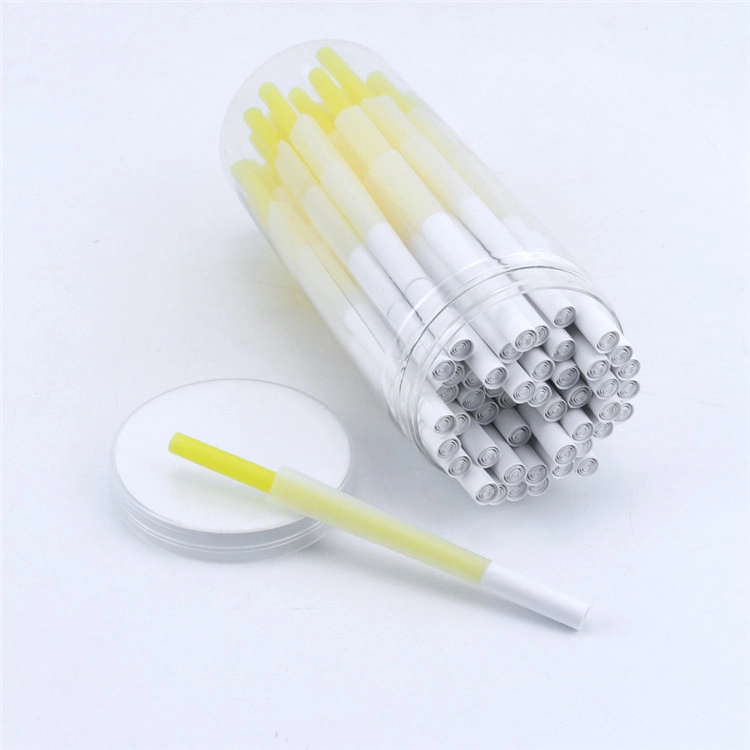
SILICLAB 84mm spiral-tip pre-roll cones provide an existing format for this first comparison. The 84mm length includes the tip. A buyer evaluating that format needs the actual usable body dimensions and a packed sample before approving a half-gram SKU. This makes the stock cone a practical trial candidate, with acceptance based on the finished result rather than a direct conversion from millimeters to grams.
The cone also has to sit correctly in the intended tray or loading arrangement. A marked drawing lets production staff compare the body profile with the equipment before committing to a bulk quantity. Where seating is uncertain, a physical sample is more useful than a size name: the relevant question is whether loading, filling and removal work together under the planned conditions.
A trial result helps separate a dimensional problem from a branding decision. A cone that fills and closes satisfactorily may need only the agreed artwork changes. Poor tray seating, by contrast, calls for a review of the body geometry. Treating these as separate approvals keeps decoration work from obscuring an unresolved production fit.
SILICLAB custom spiral-tip cones allow length and diameter to be discussed alongside paper, tip printing and branded boxes. For a multipack project, the useful brief identifies the change exposed by the trial. A revised body profile needs its own sample check, even when the logo remains unchanged; artwork approval alone cannot establish that a different cone will perform on the filling line.
An inquiry for 0.5g pre-rolled cones wholesale is more actionable with a target fill, candidate drawing and a short account of the trial result. Finished length and any loading constraint belong in the same request. These details give the supplier a defined application to assess instead of an open-ended request for a half-gram size.
The trial should produce an approval record that purchasing can use later. Consistent material and operating conditions make the comparison meaningful, while a defined acceptance decision prevents an attractive hand-filled sample from standing in for line performance.
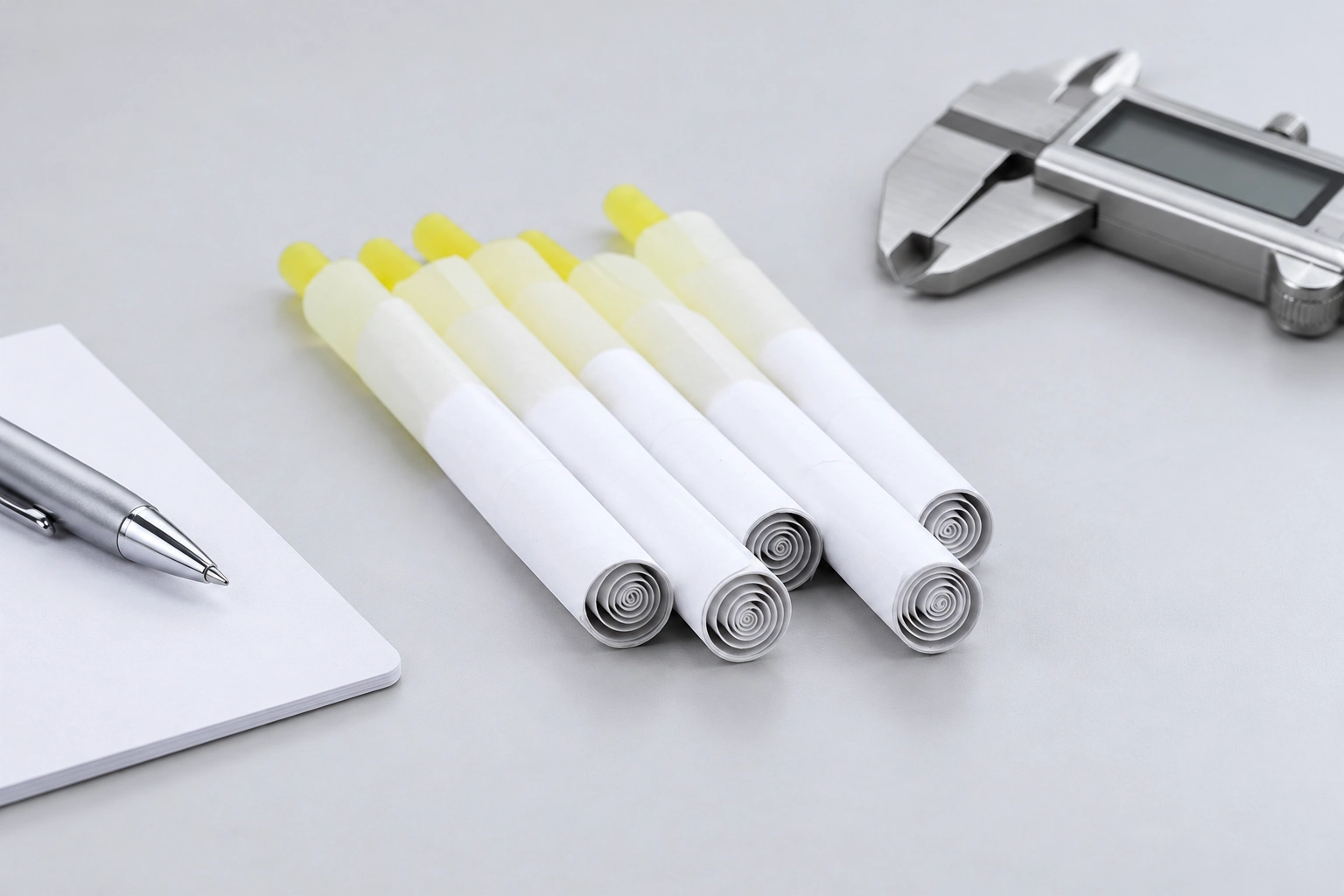
Net fill needs to be checked independently of the empty paper and tip. The review should also cover the finished end, tip position and visible paper condition after removal from the equipment. A sample that reaches the target weight but cannot be closed or removed satisfactorily has not resolved the production brief.
A concise record can identify the sample, drawing revision, material batch and filling setup, with observations beside each acceptance point. Sample quantities and limits belong with the production and quality teams; they depend on the process and applicable requirements. No universal sampling plan or legal weight tolerance is assumed here.
When a trial misses the target, a useful report names the problem: fill variation, closure allowance or tray seating, for example. Changing the relevant dimension or operating condition makes the next comparison easier to interpret. Once accepted, the retained sample and drawing become the reference for the bulk order.
Package approval belongs after the cones have been filled and closed. Empty components can support an initial fit check, but completed pre-rolls establish whether all five units load, remain protected and can be removed as intended. The closed package should accommodate the paper ends and tips without applying unwanted pressure.
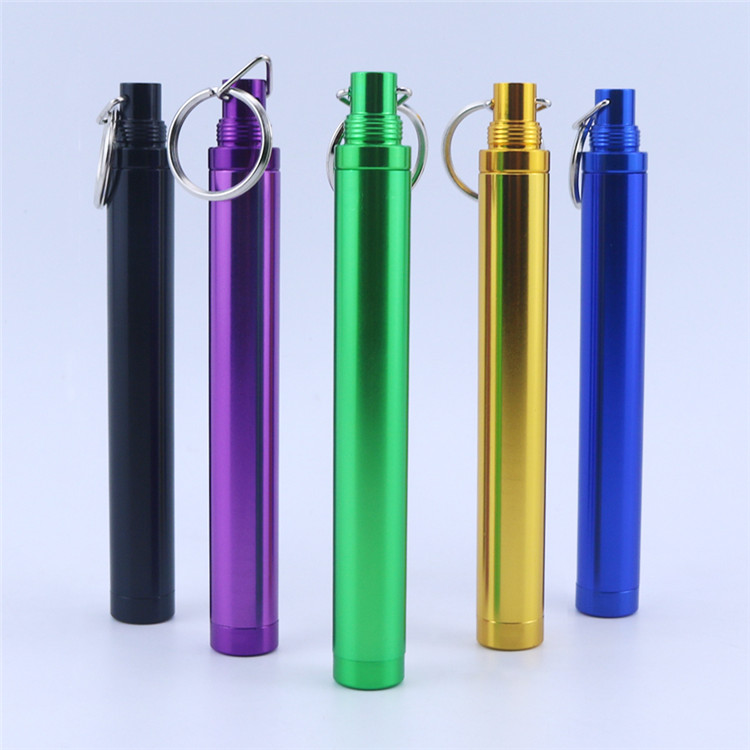
Where the presentation uses individual tubes, the pre-roll storage tube options provide formats to assess against the finished units. Each tube’s role needs to be clear in the proposed layout. A container selected for one pre-roll is not established as a five-unit container merely by including it in a multipack project.
There are two counts to keep distinct. A production case contains empty cones for manufacturing; a retail five-pack contains five finished pre-rolls. For an illustrative run of 10,000 five-packs, the baseline requirement is 50,000 accepted cones before trial quantities and process losses. Any additional allowance should come from the buyer’s trial results, rather than an assumed industry rejection rate.
A comparable quote starts with the same accepted configuration and quantity. Cone price matters, but so do production packing, tip decoration, printed components, freight and any agreed development work. Separating these costs from filling and retail pack assembly makes the scope of each offer visible to procurement.
The cost comparison is most useful per accepted selling pack, with the component quantity and any agreed allowances stated beside it.
SILICLAB OEM/ODM customization covers cone and tube dimensions, tip choices and logo requirements. For a half-gram program, the quotation should identify which of those options apply to the selected cone. Linking the agreed sample, artwork revision and packing arrangement to the quote helps purchasing assess a defined configuration rather than assume that every custom option applies to the stock 84mm format.
Receiving arrangements deserve a place in that comparison. A retail canister and production packing may require different handling at the filling line. Inner-pack counts, case counts and retail pack counts should remain separate, with current MOQ, price and timing confirmed for the selected item. This also leaves fewer open questions when the first order becomes a repeat purchase.
The half-gram designation is the beginning of the specification. A workable bulk purchase connects target net fill to cone geometry, line performance and the completed selling pack. The approved sample and drawing then give production and procurement a common reference for accepting deliveries.
Brands can request a cone sample and quotation from SILICLAB with the target fill, candidate dimensions, filling setup, number of pre-rolls per pack and required quantity. An existing reference sample or a marked trial result can help clarify whether the project needs a stock format or a custom configuration.
No. Tip length, body profile, filling material and closure allowance affect the result. The 84mm format remains a candidate until a trial with the intended material and process confirms the target net fill and an acceptable finished unit.
The cones discussed here are empty components for further filling and packing. The half-gram target describes the buyer’s finished product. Component supply, filling responsibility and retail assembly need separate agreement so the quote reflects the required work.
Each selling pack requires five accepted cones. Multiplying the planned pack quantity by five gives the baseline, followed by trial quantities and an allowance supported by process results. Supplier case counts and MOQ are separate from that retail pack calculation.