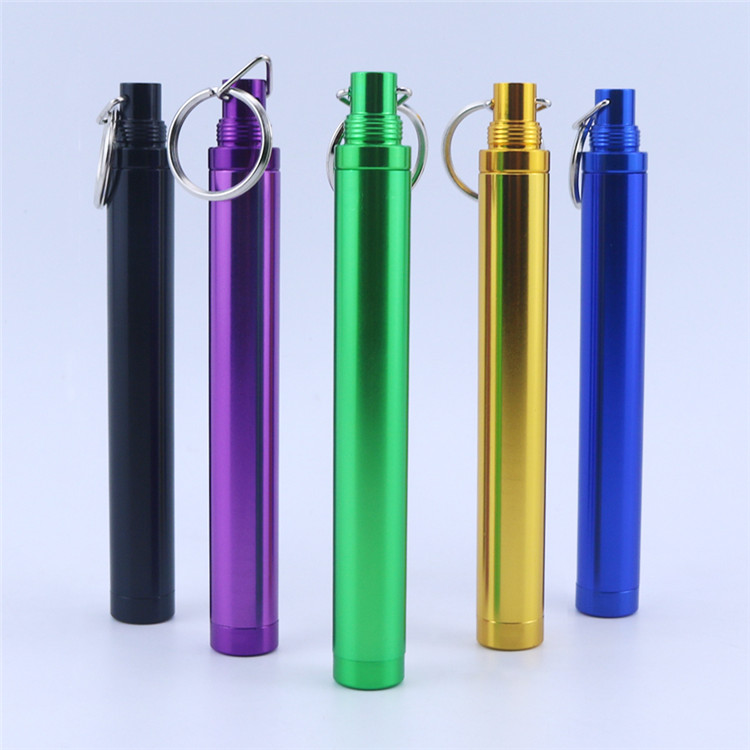
Airtight pre-roll tubes need to be assessed with their closures fitted. An aluminum body with two threaded end caps has two closure interfaces to inspect. A plastic body closed by a silicone cap has a different fit to check. Neither construction description supplies a performance result for the assembled package; that result needs to address the requirement being purchased.
For a wholesale order, the requirement might concern leakage, odor during transport or moisture exchange in storage. A request for samples can name that concern before the detailed evaluation is agreed. Reopening belongs in the discussion when the cap will be replaced after use. The bulk-order decision then has a clear question to answer, instead of relying on a secure-looking closure.
A sample can pass a visual inspection and still leave the main purchasing question open. There may be no visible damage, but the brief asks about odor after distribution. In that situation, inspecting another empty tube repeats the first check. The remaining work is an assessment that addresses the contents and distribution exposure.
Before selecting from the pre-roll storage tube range, procurement can state the concern in ordinary trade terms. The inquiry might name odor during transport, moisture exchange during storage or a measured leak requirement. This is enough to begin a focused discussion about samples, even while the quality team and testing provider refine the evaluation.
The performance questions can be recorded separately:
Seal inspection starts where the parts meet. Aluminum and plastic bodies may use quite different closures, so a material comparison on its own leaves out the most relevant inspection points.
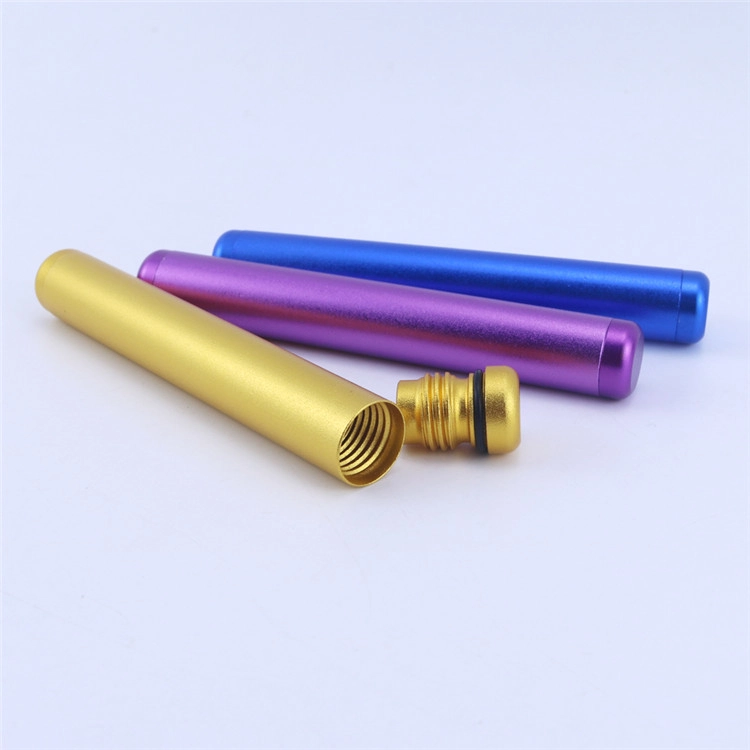
Two screw caps change the sample review for SILICLAB’s 110 x 16mm aluminum blunt tube. Both ends are removable and threaded, with silicone sealing rings. The cap used for loading is one inspection point; the cap left in place is another. Recording their seating and ring condition separately makes the subsequent result easier to interpret, while approval still concerns the complete tube.
The alternative construction on SILICLAB’s 125mm conical plastic tube pairs a polypropylene body with a silicone cap. Here the inspection follows the cap around the opening, with another fit check after replacement. Keeping the two parts identified throughout sampling connects approval to the supply specification. If another cap is fitted during review, its reference belongs in the record before any later finding is used for the purchase decision.
Visible faults and performance results belong in the same approval file, but they serve different purposes. Inspection locates obvious defects. A suitable evaluation addresses the requirement that remains after the sample has passed that first screen.
For a measured leakage requirement, ASTM F2338 is one method to discuss with a qualified testing provider. Its scope includes rigid, nonporous packages and nondestructive detection by vacuum decay, which uses pressure changes to detect leakage. The provider needs to assess its suitability for the tube and the purpose of the evaluation.
Procurement can compare a report with the order using a few fields. Missing information becomes a specific follow-up request, rather than a general debate about whether the package is airtight.
| Report field | Purchasing check |
| Sample reference | Does it identify the body, cap and sealing parts being ordered? |
| Sample state | Was the tube empty or filled, unopened or reclosed? |
| Method and conditions | Do they address the requirement in the brief? |
| Acceptance criterion | What result was required for approval? |
| Recorded outcome | Did the identified samples meet that criterion? |
First closure and reclosure deserve separate review. Once a cap has been removed, the buyer needs to know how the package performs after it is replaced, with a closing procedure that can be repeated.
On the 125mm conical plastic tube, the review follows the silicone cap as it is removed and replaced. The comparison concerns its renewed engagement with the body. Applying a procedure written for screw caps would describe a different action and leave the sample review unclear.

An unopened reference group provides a comparison under the same storage exposure. The reopened group has one additional step: removal and replacement of the cap under the agreed procedure. The record can then identify which group changed, when it changed and what was observed. Opening cycles should represent the proposed use, with the reason for the selected count recorded.
A changed result calls for another look at the contact surfaces. Seating, damage and contamination are worth recording after the opening sequence. For threaded caps, any required application conditions belong in the protocol. Simply applying more force makes the procedure harder to reproduce and leaves uncertainty about how production units will be closed.
Repeated access deserves discussion where the selling format calls for it. BDSA’s 2026 pre-roll market analysis identifies growth in multipacks, giving that use question current commercial relevance. The application still needs to be defined for the packaging project; neither multipack capacity nor performance after reopening is established for a particular tube by the market trend.
Empty-tube approval leaves out the contents. A paper end, tip or accessory may stop the cap from reaching its intended position. The same closure therefore needs a fit review with the planned pre-roll and packing arrangement before a suspected seal issue is assigned to the container.
The distribution brief needs storage duration, temperature, humidity, orientation and expected handling, agreed with the finished-product team. A room-temperature observation cannot represent every shipping route.
Any proposed moisture-control accessory occupies space too. Its dimensions belong in the fit review, along with the pre-roll. The accessory and closure have separate roles, so adding one does not verify the other. A proposed shelf-life claim needs an evaluation of the filled package over the conditions and period relevant to that claim.
The approved configuration needs a place in the purchase record. Its body, cap and sealing component references belong with the artwork revision, closing conditions and relevant results. An incoming item can then be checked against a named reference. Substitutions need review before acceptance because the earlier result concerns the earlier assembly.
Logo methods and custom product development are available through SILICLAB’s OEM/ODM customization options. For a branded tube, model selection comes before confirmation of the decoration method and location. The decorated sample can then become the reference for artwork as well as the item being supplied. Its closure approval needs the relevant performance evidence attached, so the purchasing file clearly distinguishes a branding decision from acceptance of the seal.
A decorated, individually packed unit includes work that a plain-tube quote does not. To compare wholesale prices, the offers need the same assembly, packing scope, quantity and agreed evaluation work. Current terms should be confirmed for that item, with any difference in the quoted scope resolved before a purchasing decision.
For airtight pre-roll tubes wholesale, the approval record needs to connect the requirement, sample and result. Construction checks are useful at the beginning. Relevant performance evidence completes the review, with filled-pack fit and reopening included where the proposed use requires them. The accepted sample can then serve as a reference for supply.
Procurement teams planning a SILICLAB project can request storage-tube samples and a bulk quote. The useful starting information is finished pre-roll dimensions, use conditions, preferred closure, quantity and destination. Adding the evidence requirement makes clear what remains to be checked before ordering. It also gives the quotation discussion a defined item and scope of work.
Child resistance alone cannot answer that question. Opening tests address access to the contents, while a leak evaluation addresses the specified seal performance. The CPSC’s special-packaging guidance describes child and adult opening-test protocols. Applicable opening requirements need review for the finished product and destination, with documentation identifying the tube and closure being ordered.
A silicone component does not provide a storage-life figure. That figure would need evidence for the contents in the complete package, over a specified period and environment. The buyer’s proposed claim therefore belongs in the evaluation brief, rather than being inferred from cap material.
It can provide an observation about odor under recorded conditions. It cannot supply a leakage measurement. A useful assessment states the contents, exposure and method clearly enough for the result to be interpreted. Where the order requires quantified leakage evidence, an odor observation leaves that requirement unresolved.