An OEM inquiry for “HNB sticks” leaves a basic question unanswered: are the sticks empty or filled? A brand that already has a filling partner may only need the paper component. Ordering that component separately allows the brand to specify its construction and print without changing who handles the filling.
SILICLAB supplies custom HNB paper tubes as empty carriers, without tobacco, herbs or other filling material. Length and diameter can be discussed alongside the internal bore and exterior printing. For a bulk order, the drawing needs to describe a workable tube construction, and the packing arrangement needs to suit the next production step.
A finished heated consumable and an empty paper tube have different supply scopes. The empty tube becomes part of a product after further processing. That distinction belongs in the inquiry and quotation, especially when a separate contract manufacturer will receive and fill the components.
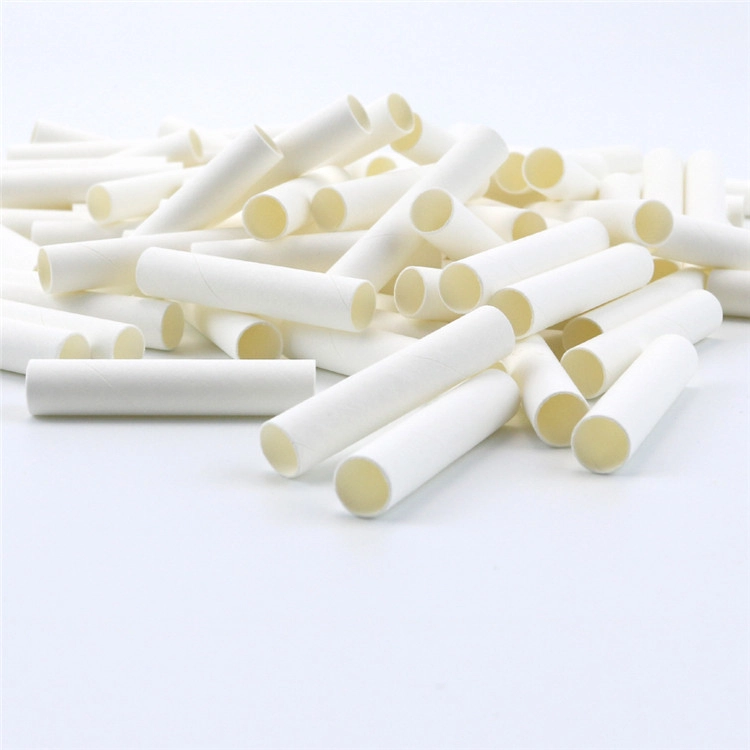
The custom HNB paper tube range includes options for brands developing their own stick format. For an empty-component order, the inquiry should name the facility handling the next stage, or at least describe how the tubes will be used there.
For example, a contract filling partner may need loose components rather than tubes already arranged in retail boxes. Settling that point early lets suppliers quote the requested packing work and gives the receiving facility a chance to review the proposed format.
Length alone gives an incomplete description of a tube. The outer diameter determines its external size, while the inner diameter defines the opening available for filling. Wall thickness links the two. Changing one dimension can therefore require a change elsewhere in the construction.
SILICLAB offers reference ranges of 45–80mm for length, 6.0–8.5mm for outer diameter, 4.0–6.0mm for inner diameter and 0.8–1.2mm for wall thickness. These describe configurable parameters, rather than a set of independent dimensions that can all be combined freely.
For a plain circular section, the wall thickness corresponds to half the difference between the outer and inner diameters. A patterned bore needs its own definition in the drawing. This is why an approved component drawing is more precise than an order for a familiar “stick size.”
The drawing also gives the filling partner a reference for sample checks. Any required tolerances should be agreed for the chosen construction; the reference ranges do not establish those tolerances.
SILICLAB’s custom empty HNB sticks can be discussed with smooth, spiral, ribbed or custom embossed bore finishes. Two tubes can have the same external dimensions and different internal profiles.
A bore choice should follow the planned filling process and finished-product design. Sample evaluation can address how the component handles in that process. The appearance of a pattern alone does not establish its suitability for a particular filling material or device.
External printing can identify a product line, even when the tube is only one component of the finished stick. The available print area is small, however. Assembly may cover part of it, leaving less space visible than an artwork file suggests.
SILICLAB offers exterior printing in up to four colors. Tube color and other finishing requests can also be discussed. A private-label range might share the main logo placement while using a different design detail for each variant.
Artwork approval should use the finished print dimensions. The assembly partner can help establish which section remains visible, while the brand confirms the color reference and file revision. There is little value in approving a detailed graphic that will be hidden during assembly.
If a new variant uses the same tube construction, record the artwork change separately. Purchasing can then distinguish a print revision from a change that needs another component sample.
A brand developing a botanical or other tobacco-free concept may source the carrier separately from its filling material. That gives the component supplier a defined tube to produce while formulation and finished-product evaluation remain with the brand and its production partners.
The project still needs a construction suitable for the intended application. Tobacco-free describes the absence of tobacco; it does not establish nicotine content, device compatibility or the regulatory status of the finished product. Those questions depend on the actual product.
Tube selection can proceed from the target dimensions and filling method, followed by samples for the planned process. The component decision and finished-product evaluation should remain identifiable as separate approvals.
When another facility handles filling, its sample review should use the same drawing revision as the tube manufacturer. A change to the bore or wall thickness may affect handling even when the outside looks unchanged.
The review record should say which construction was assessed and what remains to be checked. That is more useful for the next production run than a general statement that a sample was “approved.”
After sample approval, a bulk quotation needs to identify the component revision, quantity and packing format. The receiving operation determines whether loose tubes, decorated components or a boxed arrangement makes sense. These are different orders, despite sharing the same HNB product description.
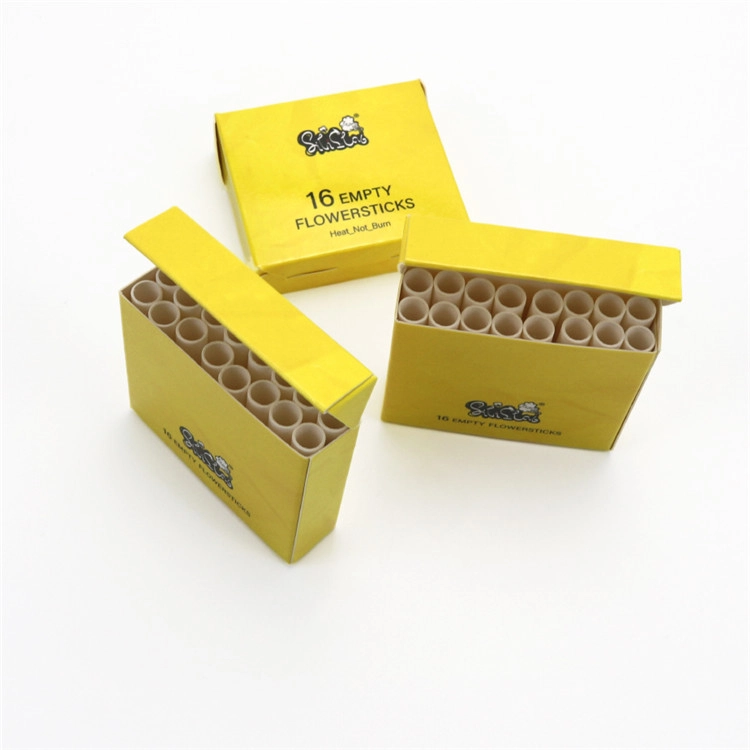
Bulk packing can be discussed for tubes that will go on to further processing. SILICLAB also offers 16-count HNB stick boxes for projects requiring a coordinated tube-and-box presentation.
For the boxed option, confirm whether the requested scope is empty tubes packed in boxes or another agreed assembly arrangement. A retail-style box does not, by itself, turn an empty carrier into a filled heated consumable.
The purchase order should refer to the approved drawing and print files, with packing instructions attached. On a repeat order, an unchanged tube can retain its component reference while the artwork receives a new revision.
SILICLAB’s OEM and ODM service provides a route to discuss customization and branding. For purchasing teams, the useful detail is exactly what changes between orders. “Same as last time” leaves too much open when several variants have been supplied.
Custom HNB paper tubes allow an OEM brand to purchase the empty carrier around its own manufacturing plan. A defined construction and a packing arrangement accepted by the next facility give the quotation a practical basis. For samples and bulk pricing, contact SILICLAB with a drawing or target dimensions, bore requirements, printing needs and estimated quantity.
Empty tubes contain no filling material and require further processing. Finished sticks include the filling and the assembly specified for the product.
SILICLAB offers configurable length, inner and outer diameters, wall thickness and bore designs. The dimensions need to form a workable construction, agreed in the component drawing.
Yes. Exterior printing is available in up to four colors. Artwork should be reviewed at actual size and checked against the area visible after assembly.
A target drawing or dimensions, bore preference, print requirements, estimated volume and packing format. The inquiry should state that the required supply is empty components.
They can be considered as carriers for buyer-developed products. Suitability still requires assessment of the chosen tube, filling material and intended finished application.