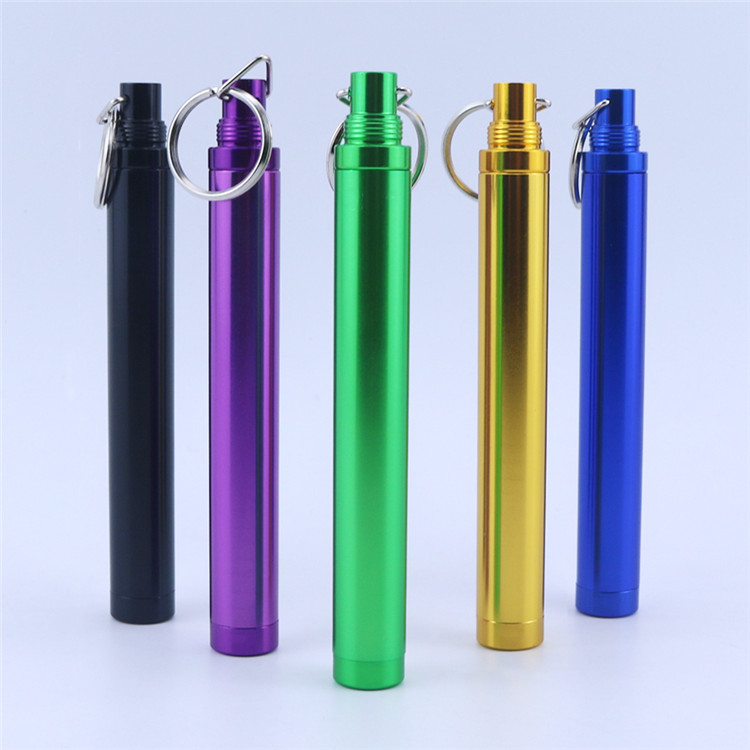
Buyers searching for wax storage containers wholesale should first confirm that the project involves cannabis concentrates or dab products, because the same search also returns candle-wax and beauty-supply packaging.
For dispensaries, smoke shops, distributors, and private label concentrate brands, the right container is selected as a complete system: body material, capacity, opening, closure, label area, secondary packaging, filling method, transport conditions, and local compliance requirements.
Compare suppliers only after these conditions are written down. Then validate filled samples, define measurable acceptance criteria, and request quotations against one controlled RFQ rather than choosing by color, unit price, or a broad material claim alone.
This guide uses wax to mean cannabis concentrates and related dab products. SILICLAB’s weed and wax storage container range includes storage jars and containers for smoking-accessory buyers. State the stored product, fill weight, consistency, ingredients, expected contact time, and target sales channel before asking for samples.
The intended market also changes the package task. A counter display for a licensed dispensary, a refillable consumer accessory, and a bulk component supplied to a contract packer can require different closures, labels, secondary packs, and documentation. Define whether the container is primary packaging, an accessory, or an inner component of a larger retail pack.
Start with capacity and access. The opening must suit the product’s consistency and the user’s handling method, while the outside geometry must work with filling, capping, labeling, display, and shipping.
A very small portable jar may suit an accessory assortment but leave too little label area for a regulated retail program. A larger glass format may improve display and handling yet add weight and breakage considerations.
| Decision | Questions for the buyer | Sample evidence |
| Capacity and opening | What fill weight, product consistency, tool, and dose access are expected? | Filled-use trial and recoverable product check |
| Body format | Is portability, shelf presentation, weight, rigidity, or breakage risk more important? | Handling, drop, display, and shipment review |
| Closure | How often will it be opened, and must the seal be tamper-evident or child-resistant? | Repeated opening, closing, leakage, and required certification evidence |
| Decoration | How much label or print area is needed, and what color controls apply? | Artwork proof, adhesion or print rub test, and color approval |
| Pack-out | How will units be counted, protected, labeled, and packed for distribution? | Pack sample, carton check, and transit trial |
SILICLAB lists a compact 2 ml silicone wax container with color and logo customization, while its storage category includes larger glass and metal formats. These are different sourcing paths, not interchangeable upgrades. Use the product’s fill, channel, label, and handling conditions to decide which format deserves a filled-sample trial.

Silicone, glass, plastic, metal, and liner names identify parts of a package; they do not by themselves prove compatibility, non-stick behavior, odor control, airtightness, or suitability for a specific concentrate.
Ask for the complete bill of materials or relevant declarations, including the lid, liner, gasket, colorant, ink, coating, and adhesive when they may contact the product or influence performance.
For example, a SILICLAB glass concentrate storage jar is presented with a clear lid and multiple listed capacities. That verifies a glass storage option, not universal suitability for every formulation.
Fill samples with the actual product, hold them for the planned contact period and temperatures, and inspect odor, appearance, mass change, leakage, residue recovery, lid behavior, and visible interaction.
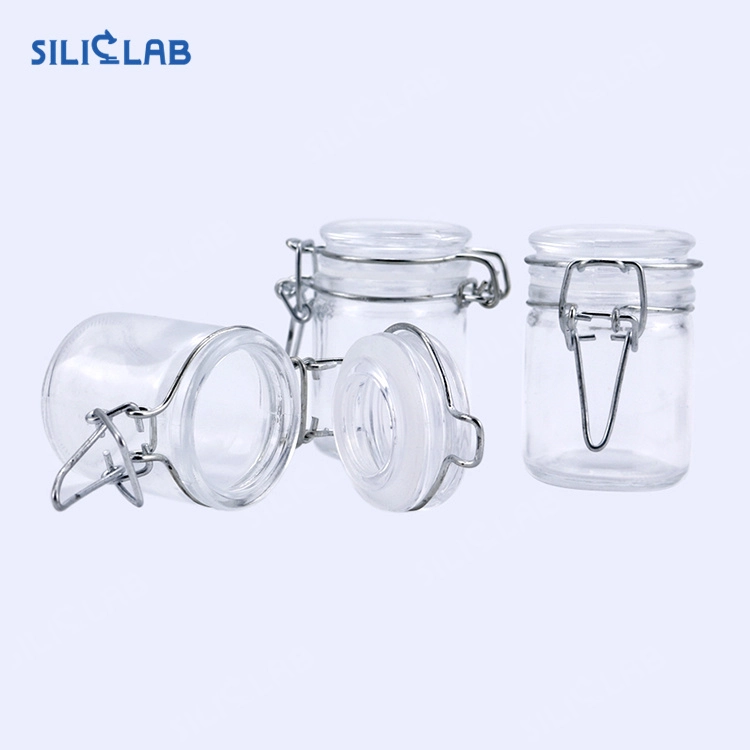
Test the closure as it will be filled, transported, displayed, and reopened. Record application force or closing method, evidence that the closure is fully seated, leakage or contamination after orientation changes, repeated-use behavior, and any visible damage.
If the project requires tamper evidence or child resistance, define the applicable market and obtain current evidence for the exact container and closure combination rather than relying on a family resemblance.
Secondary packaging should protect the container without hiding operational problems. Confirm unit count, dividers, bags, labels, carton strength, barcode placement, and pallet or parcel assumptions.
If the retail offer bundles storage with tools from the dab tools and accessories category, test the complete kit so the tools cannot scratch, puncture, stain, or open the container during transit.
Branding decisions include body color, lid color, logo method, printed graphics, label stock, label shape, and retail carton design. Resolve them after the functional container and closure have passed initial testing.
Ask the supplier which decoration methods suit the selected material, what artwork file is required, how color will be approved, and what visible variation is acceptable across a lot.
Regulated requirements require a separate checklist for the target jurisdiction and channel. The buyer should confirm child-resistant rules, tamper-evidence expectations, required warnings, symbols, traceability, net-content statements, label placement, and accessibility or opening instructions with qualified advisers.
A custom logo or supplier statement does not establish legal conformity. Keep mandatory information in the artwork brief and require a final legal review before production.
Approve samples against a written record, not memory. Measure capacity, critical dimensions, container and lid fit, label area, unit weight where useful, color reference, print position, closure function, filled compatibility, visible defects, pack quantity, and carton condition. State the test method and acceptance threshold for each critical item, and keep an identified approved sample or photographs alongside the signed specification.
Repeat the most important checks on a production-representative sample, especially when a custom mold, decoration process, liner, or pack-out is introduced.
Record the sample lot and any differences from the earlier prototype. The goal is to confirm that the quoted production route, not only a hand-prepared development sample, meets the approval criteria.
The SILICLAB OEM and ODM process covers requirements, drawings, 3D samples, tooling, bulk samples, and production confirmation. For a wholesale container project, add a filled-product trial and packaging trial before final approval.
Also require change notice when the body, lid, liner, colorant, mold, decoration process, or pack-out changes in a way that could affect the approved result.
Use one RFQ for all shortlisted suppliers and ask them to identify assumptions, alternatives, and deviations. Do not insert a guessed MOQ, delivery time, or certification. Request those commercial and evidence fields explicitly so the responses remain comparable.
After the brief is complete, request a wholesale container quote and ask the response to name the proposed product, material system, closure, decoration method, sample path, pack-out, commercial basis, available documents, and any RFQ deviations.
A sound wax storage containers wholesale decision starts by excluding unrelated candle and beauty-packaging results and defining the concentrate, sales channel, and package role. Select capacity, body format, closure, label area, and pack-out as one system. Then validate the exact filled product under expected storage, handling, opening, and transport conditions.
Keep branding separate from compliance review, approve samples against measurable criteria, and require notice of relevant changes. This approach gives dispensary and private label buyers comparable quotations while reducing avoidable surprises between a catalog sample and repeat bulk orders.
For project review, send SILICLAB the stored product, fill and capacity, preferred body and closure, target market, branding, pack-out, trial and forecast quantities, destination, sample plan, and requested documentation. Feasibility and commercial terms should be confirmed in the supplier’s written quotation.
Neither material is automatically better for every product. Compare capacity, access, weight, rigidity, breakage risk, closure design, labeling, portability, and the intended retail channel. Test the actual concentrate with the complete body-and-lid system for the planned contact time and conditions before approving a bulk order.
Check capacity, dimensions, closure application and resealing, leakage, filled compatibility, residue recovery, label or print durability, color, visible defects, pack quantity, and transit protection. Add child-resistant or tamper-evident evidence when required for the exact market and container-closure combination.
A supplier can provide documents for a stated product and test scope, but the buyer must determine whether they satisfy the finished package, product, channel, and jurisdiction. Confirm the exact sample, method, date, issuing body, and covered components, then obtain qualified regulatory review.
Comparable quotes respond to the same controlled RFQ and identify the proposed container, material system, closure, decoration, pack-out, quantities, freight basis, timing, samples, documents, and deviations. Ask suppliers to state assumptions instead of silently pricing different constructions or service levels.