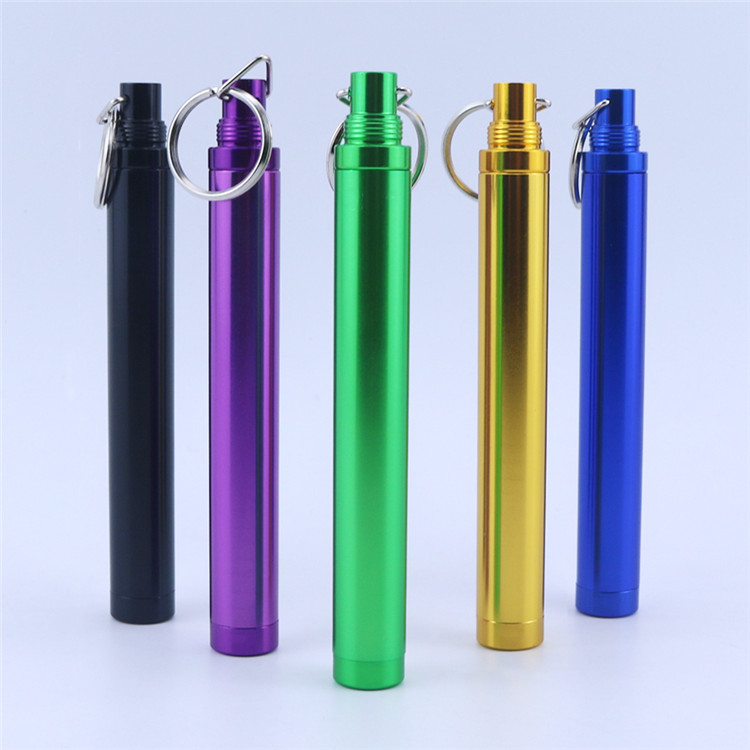
Choose an HNB paper tube supplier only after you have defined the target device, tube dimensions and tolerances, internal bore, filling method, print requirements, pack-out, and sample acceptance tests. Private label buyers need more than a catalog match: the paper tube must work as part of a finished stick and device system.
A strong RFQ therefore separates fixed functional requirements from negotiable branding choices, asks for drawings and representative samples, and states which documents must accompany the quote.
The checklist below helps brand owners, importers, contract packers, and product teams compare suppliers on the same evidence before committing to repeat production.
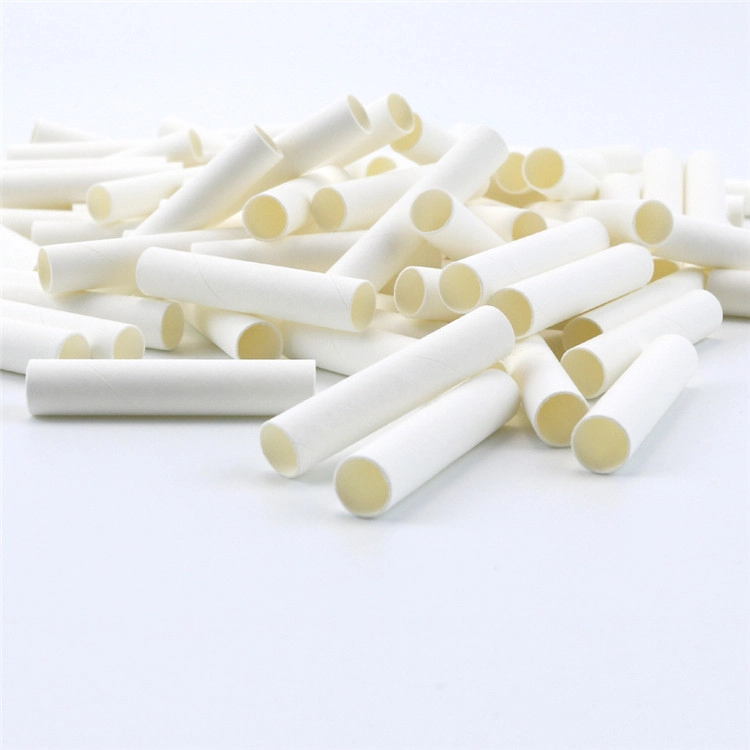
Begin with the system the tube must enter, not with a supplier’s standard size. Record the device model or interface, finished-stick length and diameter, insertion depth, expected draw path, filling equipment, and any downstream assembly steps.
SILICLAB’s custom HNB paper tube range includes empty-stick, box, and carry-case products, but the RFQ for the tube itself should stay focused on the component that will be filled and used in the target system.
Do not treat the phrase compatible with most devices as an acceptance criterion. Two tubes with similar outside dimensions can behave differently after filling because wall construction, bore geometry, tip or end treatment, and the finished fill influence fit and airflow.
If the buyer is still developing the finished stick, identify provisional values and label them for sample validation rather than presenting them as frozen specifications.
A useful specification tells the supplier what to quote, what to draw, and what the buyer will inspect. Put measurable requirements in one controlled document. Keep artwork and visual references attached, but do not let an image replace dimensions, tolerances, color references, or pack quantities.
| RFQ field | What to provide | Why it changes the quote |
|---|---|---|
| Fit and dimensions | Target length, outer and inner diameter, tolerances, and device interface | Determines tooling, process setup, and sample checks |
| Tube construction | Paper or approved material requirement, wall target, end treatment, and bore design | Affects forming method, function, and documentation |
| Printing and finish | Artwork status, color references, print area, finish, and acceptable variation | Defines proofing and production controls |
| Pack-out | Pieces per inner pack, outer carton requirements, labeling, and destination | Affects packing labor, carton planning, and freight basis |
| Commercial volume | Trial quantity, expected repeat quantity, forecast assumptions, and target timing | Allows comparable commercial terms without inventing an MOQ |
| Evidence | Requested drawings, declarations, test reports, inspection records, and change notices | Clarifies what must be reviewed before approval |
SILICLAB’s custom empty HNB stick product page identifies adjustable length, outer and inner diameter, internal bore patterns, external printing, and packaging as available discussion points. Use those fields as prompts, then ask for a project-specific drawing and quotation. The values published for one listing should not be assumed to fit a different device or finished product.
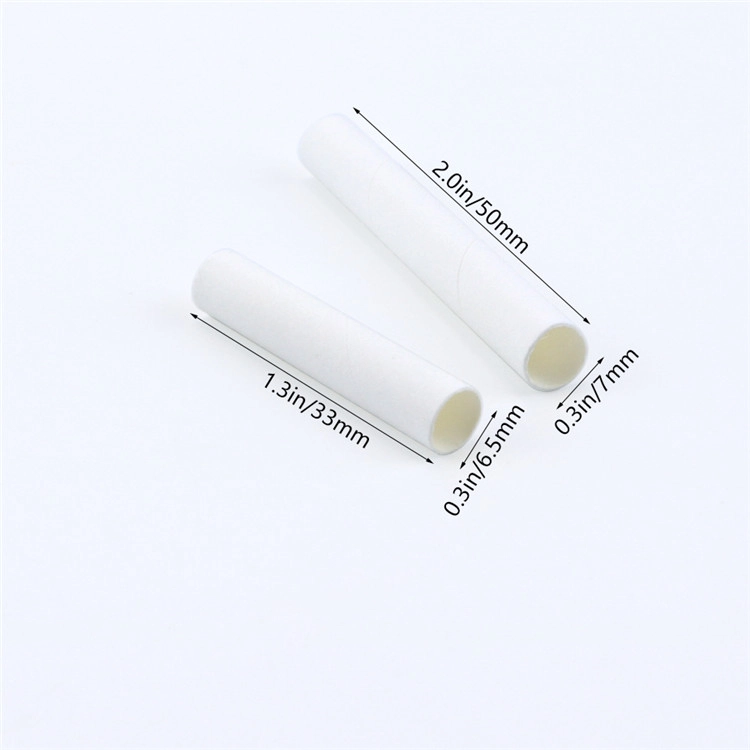
Compatibility is established by evidence from the intended system. Start with a supplier drawing, check critical dimensions against the buyer’s device and filling process, and then order representative samples.
Fill the samples using the planned material and equipment, condition them as the final product will be stored, and run insertion, draw, heating, handling, and removal checks under documented conditions.
The test plan should cover the complete finished stick, not an empty tube in isolation. Buyers comparing empty tubes with other components in the HNB sticks and HTP sticks category should record which component version, device, fill, and sample lot produced each result. A signed drawing and approved sample then become the baseline for later orders.
Turn sample observations into measurable acceptance rules before placing a production order. Typical controls include length, outer and inner diameter, roundness, wall or seam appearance, bore condition, print position, color reference, contamination, deformation, count accuracy, and packaging damage. The buyer should define the sampling level, measurement method, allowable variation, and disposition process for nonconforming goods.
SILICLAB describes visual inspection, dimensional verification, random sampling, and retention samples for its empty HNB stick product. In an RFQ, ask which checks apply to your exact design, what records can be supplied, and how retained samples are identified. This converts a general quality statement into a project-specific control plan and gives both parties a reference when a repeat lot is questioned.
For supplier comparison, request the same measurement summary and defect classification from every candidate. Ask how gauges are verified, how lots are identified, who can release product, and how rejected units are contained.
These questions reveal whether the quoted inspection method can support repeat orders without requiring the buyer to prescribe the supplier’s entire quality system.
Component documents can support due diligence, but they do not authorize a finished HNB product for sale. Ask which material declarations, migration or composition reports, and certificates are available for the quoted construction; confirm the laboratory, method, sample identity, date, and scope. Then have the responsible regulatory adviser determine whether the evidence is relevant to the finished product and target market.
For claims such as food-grade, eco-friendly, biodegradable, safe, or compliant, confirm the supporting material declaration, test scope, standard, and relevance to the intended market.
The buyer remains responsible for the filled stick, emissions or aerosol assessment, labeling, product notification, and device-system claims. Record these responsibilities in the approval plan so a component document is not mistaken for finished-product clearance.
Sampling should progress through clear gates: drawing review, initial sample, filled-system trial, packaging trial, and a production-representative sample when tooling or process conditions change.
At each gate, record the version, date, material, dimensions, artwork, test conditions, result, approver, and open actions. A physical golden sample is useful, but it should be backed by a controlled drawing and written acceptance criteria.
The SILICLAB OEM and ODM process describes a sequence from requirements and drawings through sample confirmation, tooling, bulk sample, and production.
Buyers can strengthen that sequence by adding change control: require notice before changes to paper source, adhesive, forming method, bore tooling, print process, packing materials, or approved subcontractors when those changes could affect the agreed specification.
A complete RFQ lets suppliers identify missing information early and makes quotations easier to compare. Keep uncertain fields visible instead of filling them with guesses, and ask each supplier to state assumptions and exclusions. Include these items:
When these inputs are ready, request an HNB paper tube quote and attach the controlled specification. Ask the quotation to identify the offered construction, sample path, commercial assumptions, document availability, packaging basis, and any deviations from the RFQ.
The best HNB paper tube supplier decision begins with a complete system requirement, not a generic catalog match. Define device fit and critical dimensions, separate function from branding, validate compatibility with filled samples, convert approval results into measurable quality checks, and confirm which documents apply to the quoted construction.
Freeze the approved drawing and sample, then require controlled notice of relevant changes. This process gives procurement teams comparable quotations and gives engineering and quality teams a defensible basis for sample approval and repeat orders.
For an initial review, send SILICLAB the target device, finished-stick dimensions, bore concept, print and pack-out requirements, sample plan, order range, destination, and required documentation. Commercial terms and feasibility should be confirmed in the project quotation.
Provide the target device, tube length, outer and inner diameter, tolerances, bore design, material and finish requirements, artwork status, pack-out, trial and forecast quantities, destination, target timing, sample tests, and requested documents. Mark provisional fields clearly and ask the supplier to state every assumption or deviation.
No. A listed or nominal size is only a starting point. Verify the supplier drawing, then test representative tubes after filling and assembly in the intended device. Record insertion, draw, heating, handling, and removal results against written acceptance criteria before approving production.
Approve at least the dimensional sample and a filled-system sample. Add print, packaging, and production-representative samples when those elements affect the project. Each approval should identify the drawing version, material, artwork, lot, test conditions, result, and approver.
No. A component report applies only to its stated sample, method, date, and scope. The finished filled stick, device interaction, aerosol or emissions assessment, labeling, notification, and market authorization remain separate responsibilities that require review for the intended jurisdiction.