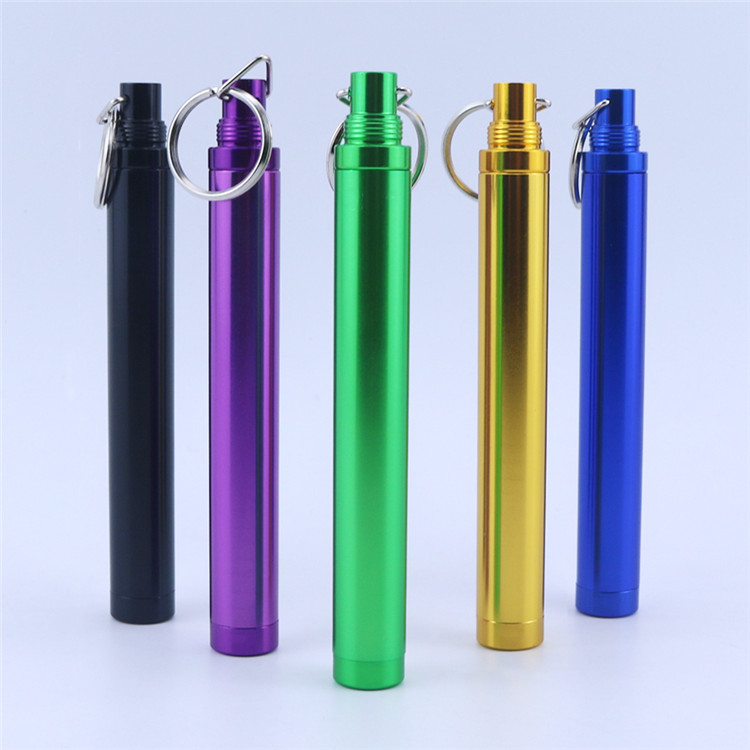
For private-label HNB brands, packaging is part of the product launch plan. It affects product fit, pack count, shelf presentation, transport handling and repeat ordering. A package can look polished in an artwork file and still be difficult to load, too loose around the sticks or unsuitable for the intended retail channel.
A reliable starting point is the finished HNB stick. Confirm its length, outside diameter and quantity per pack before selecting a box, case or insert. Then review the branding method, closure and destination-market requirements together. SILICLAB supports HNB and HTP-related projects through its HNB and HTP product category, packaging products and OEM/ODM service.
The package should be selected according to the job it needs to perform. Is the SKU designed for regular retail replenishment, a premium portable format, a trial pack or a multi-count launch? Answering that question first helps a purchasing team compare suppliers on the same basis.
For a private-label buyer, the package needs to keep the sticks organized, present the count clearly and support the way the product will be sold. A regular retail SKU may need a practical box with clear product information. A portable product may need a compact case with defined slots.
The key point is to match the packaging format to the SKU architecture. If the brand plans several sizes or variants, the first approved package should also leave room for consistent future artwork and replenishment.
Packaging should be developed with the HNB stick, not after it. A change in stick length or diameter may affect the insert, internal clearance and outer dimensions.
For that reason, a quote request based only on “one box” or “one aluminum case” is incomplete. Each supplier should receive the same stick dimensions, pack count, insert requirements and estimated quantity. That makes the replies easier to compare.
For a 2026 product launch, approving artwork before confirming the physical format can create unnecessary revisions. Decide the count, package type and internal layout first. The artwork can then be designed around an approved structure rather than a rough concept.
Small-count packaging may suit a trial SKU, travel format or limited release. The practical questions are whether the quantity fits the sales plan, whether the package can be filled consistently and whether customers can remove the sticks without damaging the presentation.
Include the intended count, stick dimensions and opening method in the first HNB packaging RFQ. If the product is still being developed, mark the measurements as provisional and arrange a second sample check after the stick specification is finalized.
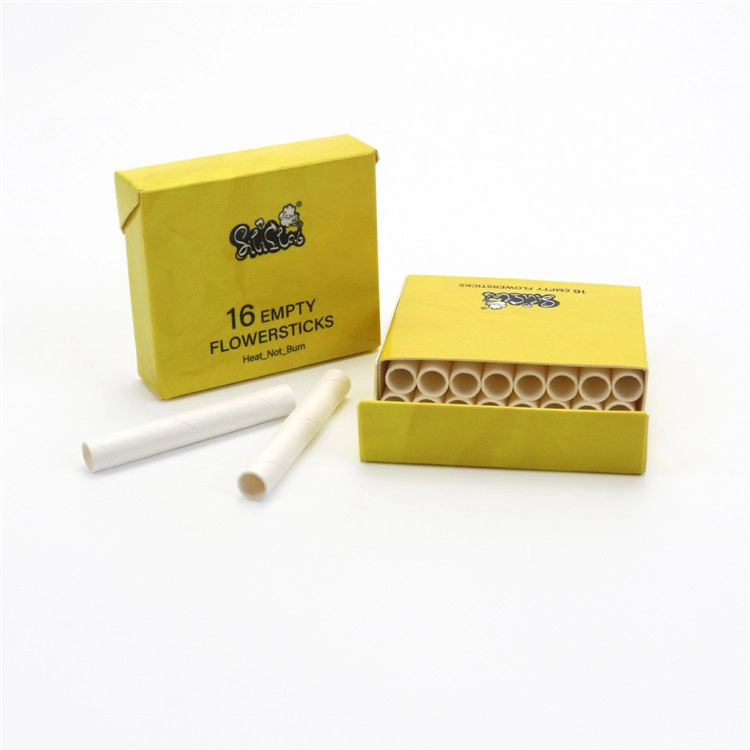
A multi-count box is often easier to plan for a regular retail SKU. SILICLAB offers a ready-to-sell 16-count HNB stick box as a concrete format for brands reviewing multi-count HNB packaging.
The right count depends on the retail channel, planned price structure, internal arrangement and future SKU plan. A box designed for one count may not work efficiently when a brand later changes the quantity.
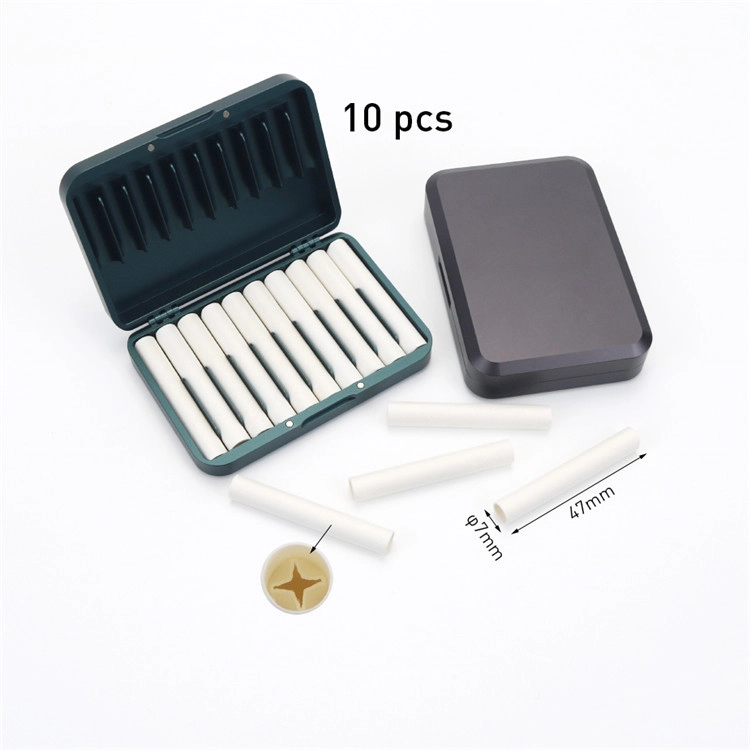
An aluminum case may suit a private-label product that places more emphasis on portability and presentation. SILICLAB provides a 10-slot aluminum carry case for HNB sticks with a magnetic seal and customizable colors.
The main purchasing check is the physical fit. Confirm the slot layout, internal space and closure with the actual stick before approving the final configuration. A premium finish is useful only when the case is also practical to load, carry and reopen.
The two formats serve different commercial roles. A case is generally considered for portable or premium presentation, while a printed box often suits a repeat retail SKU. Comparing the formats by use case is more useful than choosing one material as a general winner.
| Buyer consideration | Aluminum carry case | Printed retail box |
| Primary role | Portable or premium presentation | Regular retail presentation |
| First detail to confirm | Slot layout and internal dimensions | Box size, insert and pack count |
| Branding focus | Color, surface finish and logo placement | Artwork, print and information layout |
| Approval method | Packed case with actual sticks | Printed packed sample |
| Main risk to check | Poor fit or difficult removal | Wrong count or unsuitable internal layout |
A brand with one premium travel SKU may prefer an aluminum case. A brand managing several regular retail SKUs may find printed boxes easier to update and reorder.
After the package format is selected, the focus moves to specification control. This is where a detailed RFQ prevents a supplier from quoting against a vague description. It also creates a cleaner handoff between product development, purchasing and packaging production.
Provide the finished stick length and outside diameter, then ask the supplier to confirm the usable internal space. A package can be large enough overall and still feel wrong if the sticks move, catch on an insert or sit at an awkward angle.
SILICLAB also offers a custom empty HNB sticks product option. When the stick and packaging are being developed together, the dimensions used for the package should match the approved stick configuration rather than an early concept drawing.
Pack count affects the whole internal structure. A 10-slot case and a 16-count box require different spacing, inserts and closure decisions.
Ask for a drawing, prototype or sample that shows the sticks in place. A physical check can reveal movement, tight loading or an awkward opening action before printing and assembly begin.
Branding should follow the packaging decision. A logo cannot correct a poor package format, but suitable artwork can create a consistent product family across boxes, cases and future SKUs.
Provide the logo file, color direction, product name, pack count and artwork status. The brief should match the chosen format. A case may need a restrained mark on its surface or closure, while a retail box may require a fuller front, side and back layout.
Review the artwork on the actual package shape. A design that looks balanced on a flat screen may feel crowded on a small case or place important information too close to a fold.
The approval sample should include the actual or representative sticks, insert and closure. Check placement, removal, movement and the physical count.
Save the approved artwork version with the stick dimensions, pack count and package configuration. This record becomes useful when the brand places a repeat order or adds another SKU.
A consistent RFQ allows a buyer to compare HNB packaging suppliers more fairly. It also gives SILICLAB’s team a clearer starting point for a custom project.
Include:
If a detail is still open, mark it clearly. A known open item is more useful than a guessed specification that changes after the quotation is issued.
Packaging requirements can vary by destination market, product category and final configuration. A buyer may need to review labeling, material-contact information, recycling instructions, child-resistance requirements or transport documents.
These checks should be tied to the actual box or case being developed. A document connected to one size, material or market should not automatically be treated as covering another configuration.
Ask the HNB packaging supplier what product, packaging and material information can be provided for the chosen format. Keep the request specific to the approved configuration and intended market.
This helps the buyer separate confirmed information from items that still need review by the responsible compliance team. It also keeps the RFQ focused on a real purchasing decision.
SILICLAB’s wider product range includes smoking accessories, pre-rolled cones and tubes, packaging products and OEM/ODM services. Its HNB-related range includes HNB/HTP products, custom empty HNB sticks, an aluminum carry case and a 16-count HNB stick box.
For brands that want to coordinate the product and package through one supplier conversation, this provides a practical starting point. The quality of that conversation depends on the information submitted with the inquiry.
Prepare the stick length, outside diameter, pack count, preferred package format, logo status, estimated quantity and destination market. SILICLAB’s OEM/ODM service page can be used for the next discussion about custom HNB packaging and project coordination.
If the brand is still deciding between a box and an aluminum case, explain the product’s retail role, expected handling and planned pack count. A concise project brief usually produces a better supplier response than a general request for “custom packaging.”
The right HNB stick packaging depends on the finished product, pack count, retail channel and private-label positioning. A printed box may suit a regular multi-count SKU, while an aluminum case may fit a portable or premium format.
The decision should be confirmed through product dimensions, internal fit, branding and a packed sample. For brands developing custom HNB packaging in 2026, the most useful first step is to give suppliers the same quote-ready information and approve the stick and package as one configuration.
Need a quote for HNB stick packaging? Contact SILICLAB’s wholesale team with your required stick size, pack count, packaging format, and target market. This gives the team a clear starting point for reviewing your private-label HNB packaging requirements.
A: There is no single best format. A printed retail box may suit a regular multi-count SKU, while an aluminum case may fit a portable or premium product. The choice should be checked against the actual stick dimensions, pack count and retail channel.
A: An HNB stick box is generally planned around retail presentation, printed artwork and a defined count. An aluminum case is more closely associated with portability and premium presentation. Internal layout, closure and customer handling should be reviewed before approval.
A: Include the stick length, outside diameter, number of sticks per pack, preferred format, insert or slot requirements, closure preference, logo status, estimated quantity, destination market and packed-sample requirements.
A: Customization depends on the selected format and project requirements. Buyers should provide their logo file, color direction, pack count, package preference, estimated quantity and destination market so the supplier can review the configuration properly.
A: Yes. Reviewing them as one packed sample helps confirm fit, movement, count, closure and presentation at the same time. It also gives purchasing, design and production teams one shared reference before bulk production.