When a buyer asks for a quote on pre-rolled cones, six details decide whether the first shipment will be usable: cone length, tip dimensions, paper, adhesive, pack count and filling method. Leave one open and two suppliers can quote products that look similar but behave differently in production.
This guide turns those details into an RFQ and approval process. SILICLAB offers paper, glass, ceramic, resin, bamboo and wood-tip formats, plus filling equipment and OEM/ODM development for buyers who need a defined, repeatable item.
The purchasing route affects samples, artwork, minimum order and approval work. A stock cone can be screened quickly, while a custom tip or printed package needs drawings and sign-off. Make the route explicit so the supplier receives a usable brief instead of a vague request for “premium pre-roll cones.” This first decision also keeps stock and custom quotations in separate, comparable lanes.
Use a stock format when its size, tip and pack fit the plan. SILICLAB’s pre-rolled cones and tubes range covers paper-tipped, spiral, glass, ceramic, resin, bamboo and wood formats. Choose custom work when the mouthpiece, paper or package defines the SKU. Put the route in the RFQ and ask for its MOQ, sample schedule and artwork requirements. Approve only after materials and pack count are written into the specification.
Send the supplier one identical brief: overall length, body opening, tip diameter and length, paper, adhesive, target fill, pieces per box, artwork status, first quantity, destination and filling equipment. Ask for the same fields on a dated drawing. If the final size is open, request two samples and test both in the intended package and filling process.
Dimensions affect loading, filled weight, closure and the space available inside a box or tube. Connect the product route above to a production test, so the approved cone works in the real workflow rather than only in a sample photograph. A buyer should therefore tie every measurement to a packaging or filling requirement and record the result before placing the bulk order.
Ask for overall length, body opening, tip diameter, tip length and drawing tolerance. Add target fill weight and pieces per selling unit. For a machine trial, name the equipment model and use the approved sample as the physical reference. Measure incoming samples with the same caliper or gauge. A 109 mm king-size cone is defined by length, but its suitability still depends on the pack and fill.
Run the sample through the production loading sequence. Record tray fit, tip condition and the shape of the closed end. Count rejects instead of calling them “a few.” Repeat the check after the sample has travelled in its proposed inner pack; movement and crushed tips may only appear after transit. Approve the drawing when the measured cone and filled result match the brief.
A cone is a small assembly. Paper stiffness affects forming and handling; the tip changes tray fit; adhesive affects the finished seam. Approve these items together, with pack count and artwork tied to the same revision. This prevents a quoted “hemp cone” or “glass-tip cone” from hiding a different tip, gum or box configuration in repeat orders.
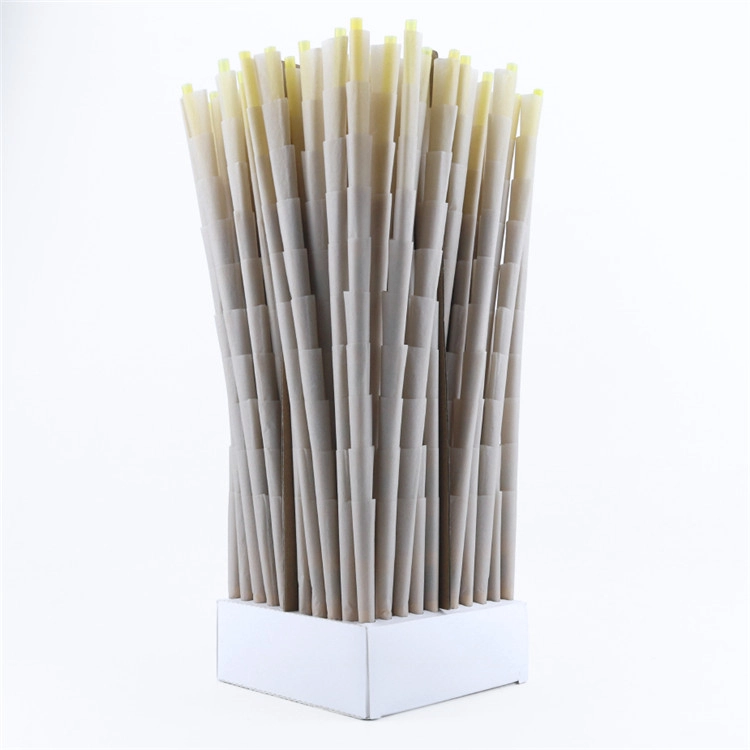
SILICLAB’s 109 mm organic hemp pre-rolled cone uses unbleached hemp stalk paper, a food-grade kraft paper filter tip and natural, edible Arabic gum. It is packed 1,000 pieces per box. Put the same paper, tip, adhesive and count on the quotation and purchase order, then compare the shipment with the approved sample. “Brown paper” is not an adequate material description.
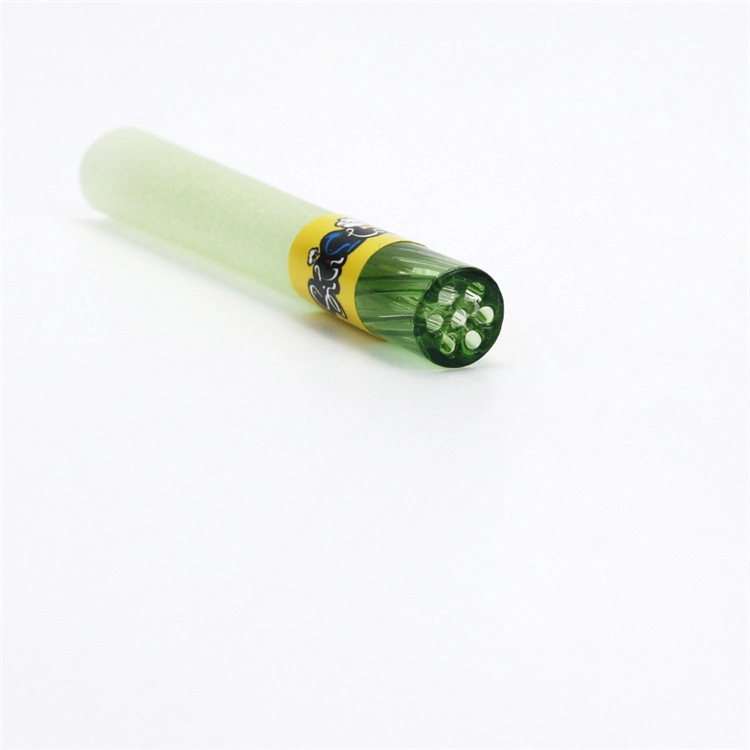
Glass adds dimensions, colour and decoration to the approval. SILICLAB’s 7-hole glass-tip cone has a standard 9 x 25 mm tip; custom sizes include 12 x 30 mm, 10 x 30 mm and 11 x 30 mm. One central channel is surrounded by six smaller channels. Put size, channel layout and colour on the drawing, then test tray and package fit. Appearance alone is not approval.
Packaging affects breakage, count accuracy and receiving work. Artwork affects logo position and the final selling unit. Treat both as part of product approval so the material decision becomes a shipment that can be stored, counted and sold. The approved sample should therefore represent not only the cone, but also its divider, inner count and printed surfaces in the final pack.
Confirm inner count, divider or insert, carton marks and label space. The 7-hole glass-tip format is packed 100 cones per box in five layers of 20 with cardboard dividers. The 109 mm hemp format is packed 1,000 pieces per box. Count the shipment, check for movement and inspect tips and printing after transit. Photograph damage with the carton mark visible.
For logo customization, SILICLAB accepts AI vector or high-resolution JPG files. For a brand-new custom product, SILICLAB creates a 3D drawing and sample for confirmation before mold opening, followed by a bulk sample before mass production.
Keep the drawing revision, logo position, tip size, paper, adhesive, colour, pack count and carton mark in one approval record. Production then follows the confirmed sample and drawing, reducing the risk of changes between approval and mass production.
Once cones enter a tray or filling machine, a small dimensional difference can become labour, waste or delay. Compare the physical test, the records behind the item and the full delivered cost together. The checks below form a practical decision sheet and connect sample performance with the commercial terms that matter after the first order, including packing, rework and repeat-order control.
SILICLAB’s pre-roll cone filling machine handles up to 225 cones at a time and is offered for different cone sizes. That is tray capacity, not hourly output. Trial the exact cone and tip, then record loading pattern, target weight, changeover, cleaning, operators and fallout. Approve the combination only when loading, filled weight and closure meet the buyer’s limits.
Use the same request with every factory. Ask for:
Use this decision sheet to keep the comparison factual:
| Check | Evidence to request | Buyer decision |
| Cone specification | Dated drawing and approved sample | Hold the quote if they disagree. |
| Materials and adhesive | Declaration tied to the proposed item | Escalate any material change. |
| Packaging | Packing diagram, count and carton marks | Approve the pilot configuration only. |
| Machine fit | Test record using the buyer’s cone and tip | Scale after loading, weight and closure are recorded. |
| Reorder control | Revision, lot code and change owner | Require written approval for changes. |
Add printing, tooling, packaging, freight, duties, inspection, waste and rework to the quoted unit price. Ask when lead time begins: artwork approval, sample approval or production release. A lower ex-works price can disappear when damaged tips need replacement or labels need a second run. Release the purchase order only when the quote, drawing, sample and packing configuration describe the same item.
A reliable pre-rolled cone order starts with a defined SKU, not a broad request for “good quality.” Fix the dimensions, paper, tip, adhesive, fill method and pack. Test the exact sample, record the result and price the delivered product.
SILICLAB provides confirmed formats such as the 109 mm hemp cone, the 7-hole glass-tip cone and a pre-roll cone filling machine that handles up to 225 cones at a time.
Send the completed specification through the SILICLAB contact page and obtain written confirmation of current MOQ, lead time, stock and approval records before production.
A: Send cone length, opening, tip dimensions, paper, adhesive, target fill, pack count, quantity, destination, artwork and filling equipment.
A: Wholesale uses an existing size, tip and pack. Custom work adds material, tip, logo or packaging decisions and requires a dated drawing and sample approval.
A: It uses unbleached hemp stalk paper, a food-grade kraft paper filter tip and natural edible Arabic gum, with 1,000 pieces per box.
A: The machine handles different cone sizes and up to 225 cones at a time. Test your exact cone and tip before scaling.