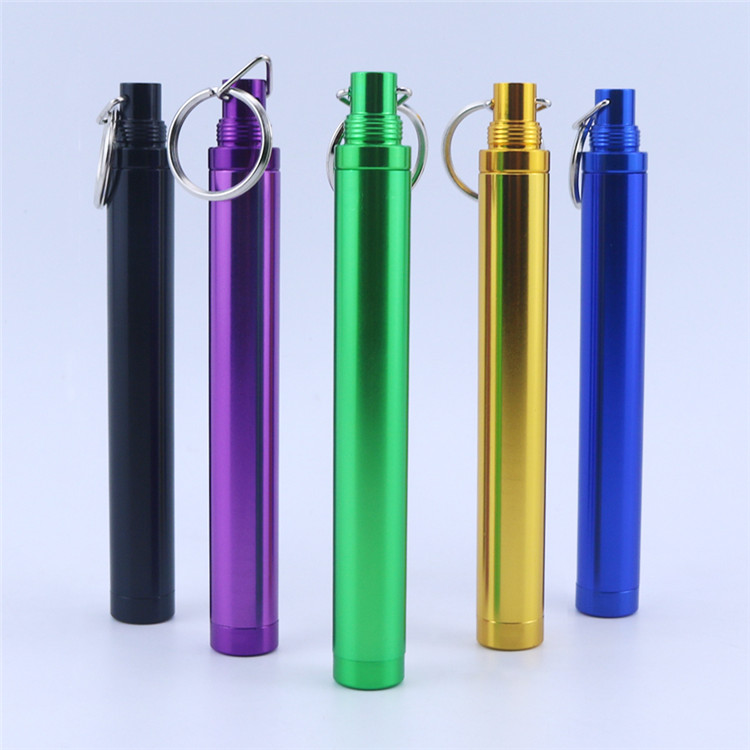
Before ordering printed tubes, a buyer can send the packaging supplier a finished pre-roll. A size description such as “84mm” leaves out the shape of the tip and the paper at the closed end. With the actual product in hand, the supplier and buyer can check how it sits beneath the lid of a 90mm tube.
For custom child-resistant pre-roll tubes wholesale, the next question is what “custom” includes. A small logo order may be possible well before custom retail packaging makes sense for the launch volume. SILICLAB offers a 90mm PP tube for typical single pre-roll applications, with decoration and packing options that can be quoted around the brand’s intended quantities.
Tube length is useful for narrowing the search. The available space is less obvious: the lid takes up part of the package, and the quoted tube length is not a measurement of the cavity. A product that slides in easily still needs to be checked with the cap shut.
The 90mm child-resistant pre-roll tube measures 90 × 14mm and uses polypropylene, or PP, with a flip-top closure. It is intended for typical 84mm pre-roll applications. That makes it a candidate for the format, subject to a check with the actual packed product.
During that check, the pre-roll should go in and come out without catching. Once loaded, does the cap shut all the way? The finished item’s measured length and diameter, with the tip included, belong in the inquiry alongside the nominal paper size.
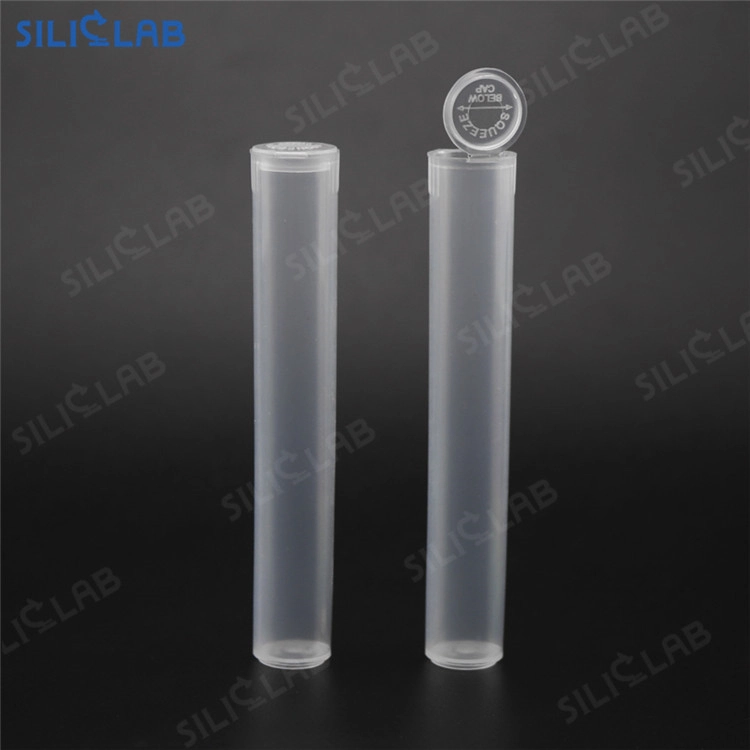
A longer pre-roll needs its own packaging assessment. SILICLAB also offers a 115mm PP pop-top tube with color and labeling options. Its fit and closure documentation should be reviewed separately from the 90mm model.
Where several products share a tube, record the approved pairing for each SKU. A tip change can then be checked against the existing package before the revised product reaches the packing line.
Suppose a distributor is buying packaging for three varieties under one brand. The orders could share a base tube, with a separate label for each variety, or use different tube colors. In the first arrangement, purchasing deals with one tube specification and three print files. In the second, it also has to plan stock for each color. The sales range and reorder quantities can guide that decision.
SILICLAB supports label, color and packaging customization. For a private-label range, the design brief can specify which details stay common across the line and which identify individual SKUs. The supplier can then discuss the quantity requirements for the requested decoration.
Print size deserves particular attention on a tube this narrow. Enlarged artwork makes small lettering look generous; wrapped around the sample, the same lettering may be hard to read. The review should include the seam position and any required barcode, along with the space for market-specific information.
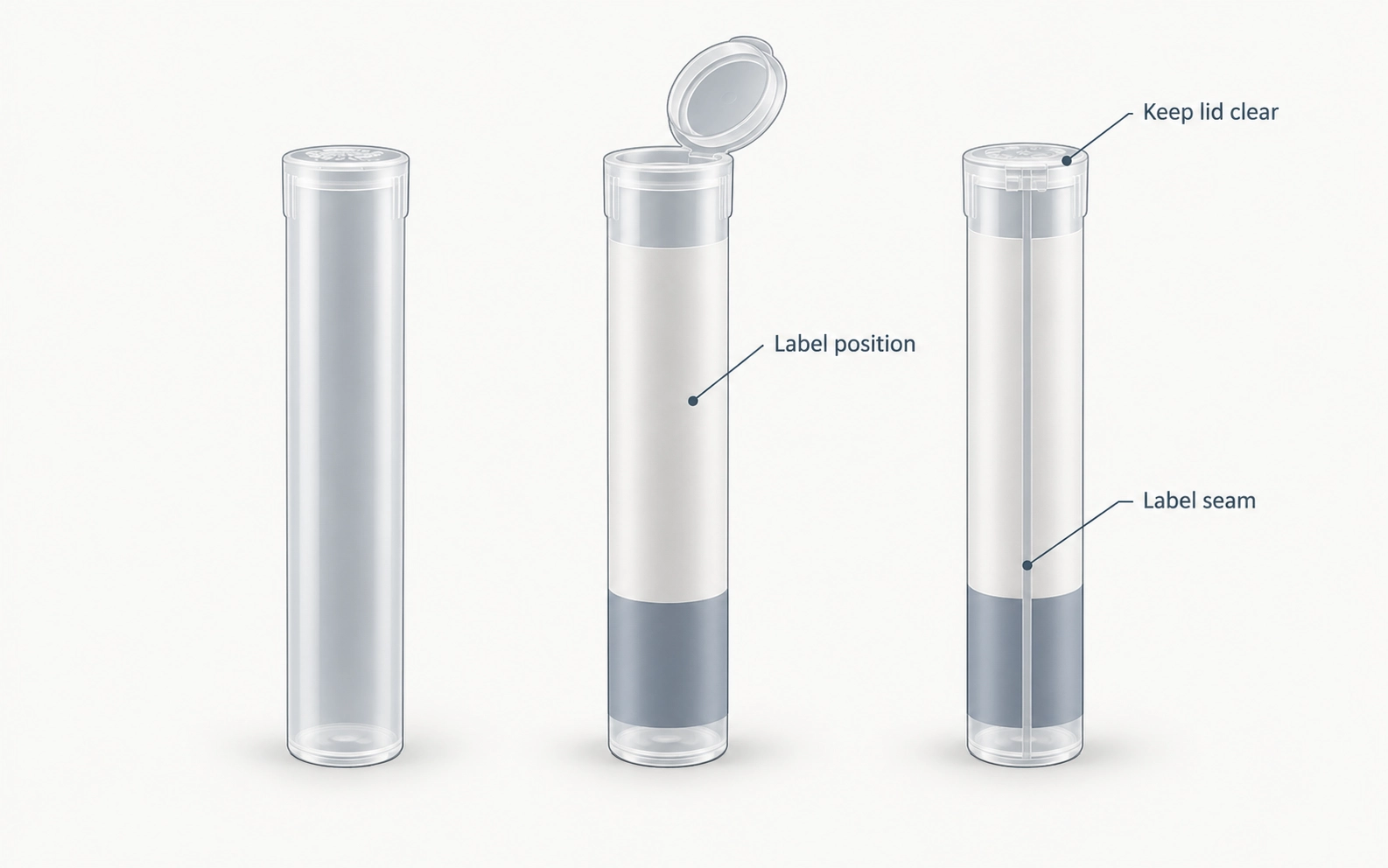
Across the pre-roll storage tube range, a brand can use the same color references and lettering style while sizing the artwork to each container. Stretching the same label onto another format can change where text and graphics fall around the tube.
Keep the print file attached to the relevant SKU and tube model. A filename such as “final label” becomes ambiguous as soon as a second version is approved.
The model number matters in a child-resistant packaging review. A report for another tube or closure leaves the buyer with a question to resolve before ordering. For a brand selling through several distributors, the destination market also belongs in that review, since the packaging requirements may differ between sales channels and jurisdictions.
Ask for the records applicable to the selected tube and cap, including the method used and what the result covers. For U.S. orders, 16 CFR 1700.20 is a reference for special-packaging test procedures where the applicable rules call for it. It does not, on its own, settle the requirements for every pre-roll product.
Any opening or reclosing instructions should reach the designer before the label layout is signed off. Checking them on the sample can catch a simple problem, such as decoration covering information intended to remain visible near the cap.
Two quotes headed “90mm pre-roll tubes” may cover different amounts of work. One could be for plain tubes in bulk packing; the other might include printed labels and a custom package. The requested decoration and packing therefore need to appear alongside the quantity.
The 90mm model has separate minimums for decoration and packaging: 100 pieces for a custom logo or graphics, and 1,000 for custom packaging. A tube-color request requires separate confirmation, as does the combination of options in the final order.
This distinction matters for a small launch. An order of 100 tubes with a logo does not automatically include a custom retail package. Buyers can discuss the intended quantities through SILICLAB’s OEM and ODM customization service before committing to the artwork.
For several labels on one tube model, the supplier needs the split per label. A total of 1,000 tubes does not say how many belong to each SKU. The quote should also make clear which costs apply to the first order and which apply to a repeat using unchanged artwork.
Before production, match the purchase order to the sample and artwork that were approved. The sample may have been accepted for fit while a later proof changed the label. Both records should point to the SKU being ordered, so the factory can identify the intended combination without reconstructing an email discussion.
If a decorated sample is available, inspect the area around the lid and the label seam after application. The order record should include the chosen closure and packing arrangement as well as the tube model and color reference.
For a later order that changes only the label, identify the new artwork revision explicitly. If the tube or closure also changes, that deserves a new sample review rather than being handled as a routine print update.
For a single pre-roll program, the useful starting point is a tube sample checked with the finished product. Branding and quantities can then be priced around that choice. For an OEM order, request a SILICLAB quotation with the tube size, artwork, quantity per SKU and destination market, including the closure documentation required for review.
Yes. SILICLAB offers logo, graphics, label and packaging options for this PP format. The artwork and order quantity help determine the configuration.
For the 90mm model, the minimum is 100 pieces for custom logos or graphics and 1,000 for custom packaging. Other options, including tube color, need separate confirmation.
It is intended for typical 84mm applications. A sample check should cover the finished diameter, tip and clearance beneath the closed cap.
The relevant records identify the tube and cap being ordered and state how they were tested. Buyers also need to establish which requirements apply in the market where the packaged product will be sold.