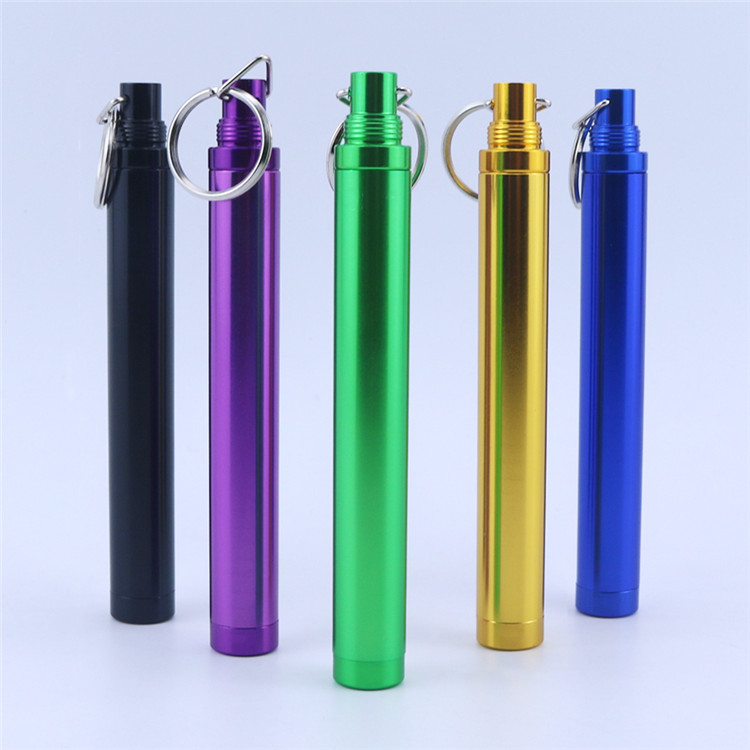
A glass-tip pre-roll can look perfect in a sample and still turn into the wrong product for a bulk order. The cone may not sit properly in the filling tray, the tip may be too wide for existing equipment, or the finished piece may not fit the box that has already been approved. Small issues during sampling become expensive ones once thousands of units are involved.
The market gives brands good reason to look more closely at these details. In Q1 2026, pre-rolls accounted for 15.9% of U.S. cannabis sales. Multipacks represented 54.2% of U.S. pre-roll sales and 86.3% in Canada. Glass-tip products are still a smaller part of the category, but consumer interest in premium filter formats is already visible, with more than one in five surveyed consumers reporting weekly purchases of premium-tip pre-rolls.
For buyers sourcing glass tip pre rolled cones, the real question is not whether glass looks more premium. It is whether the cone, tip, filling equipment, branding, and packaging all work together when the order moves from a sample to production.
A glass tip does not need to replace a brand’s standard pre rolled cones. It can sit in another part of the product line: a premium single, a limited release, a private-label project, or a multipack aimed at a different price point. The format makes sense when it creates a clear product difference without making filling and packing harder.
SILICLAB’s pre rolled cones and tubes range covers standard, premium-tip, and custom formats rather than one fixed glass-tip configuration.
For a purchasing team, the first decision is where the product fits in the range.
A branded glass tip can make the finished pre-roll easier to recognize, but the tip still has to work with the paper, logo position, pack count, target price, and filling method. Adding more custom details does not automatically make a better product.
In many cases, a clean glass tip, consistent cone, and well-sized package are more useful than a complicated design that becomes difficult to repeat in bulk.
Once the product direction is clear, buyers can move to the part that matters for sampling and quotation: the actual dimensions.
“109mm glass tip cone” sounds like a complete specification, but it still leaves several questions open. Tip diameter, usable paper length, taper, closure space, and pack format can all vary between products with the same nominal length.
Those differences may not be obvious on a quotation. They usually become obvious when the sample reaches the filling line.
A tapered pre roll cone and a straight pre roll tube may serve similar product lines, but they do not always use the same filling setup or packaging dimensions.
Start with three basics: the target fill, the tray or machine already in use, and the finished size required for retail.
For buyers working with a 109mm format, SILICLAB offers a 109mm glass tip pre rolled cone with custom logo, graphics, and packaging options. Other cone, tube, tip, and packaging requirements can be discussed around the intended product rather than forcing every project into one standard size.
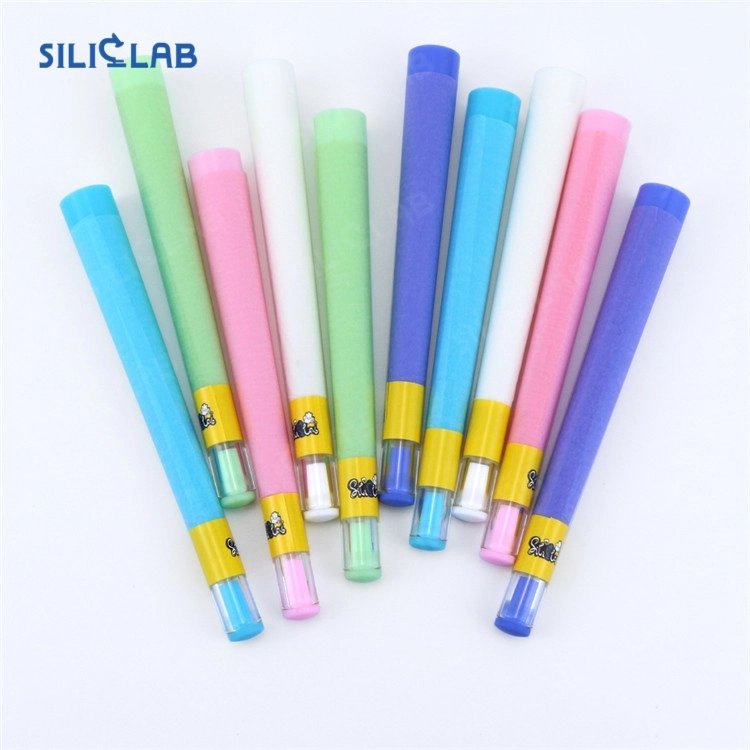
Glass filter tips add a rigid component to the cone. Diameter affects how the product sits in a tray, jig, or pre roll filling machine, while tip length changes the usable paper section and overall product length.
| Item to confirm | Why it matters |
| Finished cone or tube length | Fill format and package fit |
| Glass-tip length and diameter | Tray, machine, and assembly fit |
| Cone taper or tube profile | Filling and handling |
| Paper and logo position | Finished appearance |
| Pack count | Box or tube dimensions |
A drawing confirms dimensions. A physical sample answers the more useful question: does the product actually work with the buyer’s filling and packing setup?
Once the main dimensions are agreed, branding and packaging become much easier to manage. Problems often start when the tip is approved first, the cone changes later, and the box artwork is already finished.
For custom glass tip pre rolled cones, it is more practical to discuss the mouthpiece, cone, artwork, and packaging within the same project. That reduces the chance of changing box dimensions, artwork placement, or filling requirements late in the process.
SILICLAB also offers a 98mm pre-rolled cone with glass tip, giving buyers another existing format to compare during product development.
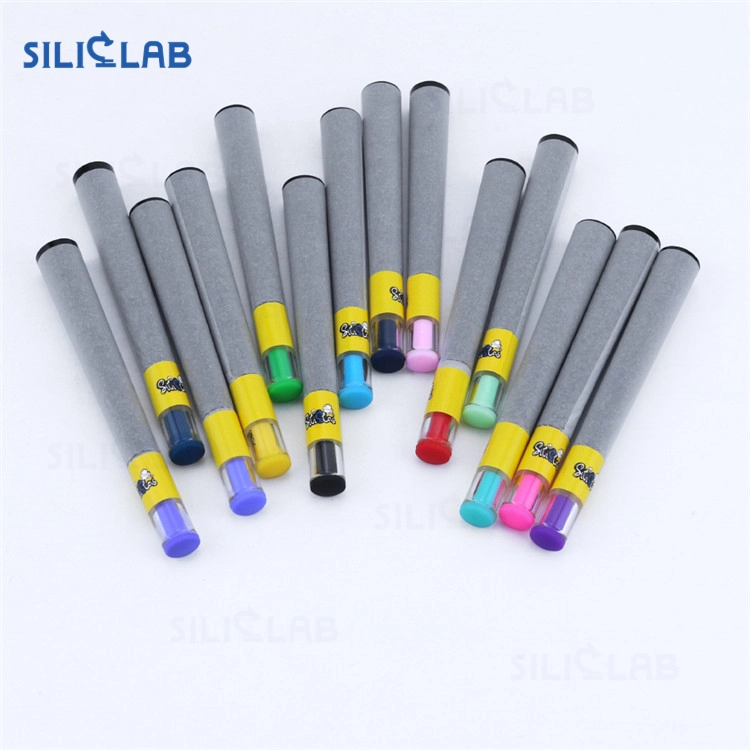
The choice between 98mm, 109mm, or another custom size below 110mm comes back to the target fill, glass-tip dimensions, filling setup, and finished package—not simply which length looks better in a catalog. Sizes above 109mm can also be customized for specific projects. Buyers with larger size requirements can contact SILICLAB to discuss the required dimensions and product specifications.
Tip branding, paper options, tip style, and packaging can all be customized. The approved combination still needs to be practical to reproduce across a bulk order. A sample that requires constant manual adjustment is not a good reference for mass production.
Packaging creates unnecessary rework when it is approved too early.
A glass mouthpiece adds a rigid end to the finished product, so the box or tube needs enough clearance without allowing excessive movement. Pack count and artwork area also depend on the final product dimensions.
If the project also requires custom pre roll packaging, the packaging dimensions and branding can be coordinated with the approved cone instead of being handled as a separate project.
With the product and package agreed, the next question is simple: will it work properly in the buyer’s normal production process?
A good-looking sample is only useful if it works in production. This matters even more with bulk pre rolled cones, where a small size or fit problem can repeat across thousands of pieces.
Moving from a paper tip to glass can change diameter, weight distribution, and how the cone sits in the filling equipment. Testing those points before a bulk order leaves room to correct them without disrupting production.
Use the tray, jig, or filling machine planned for production.
Check whether the cone sits correctly, fills consistently, closes as expected, and still fits the approved package afterward. If the brand uses several filling lines, the sample may need to be checked on more than one setup.
The same applies to pre roll tubes. A straight tube can require different handling from a tapered cone even when both are designed for a similar fill.
Before bulk production, agree on the points that will be checked against the approved sample.
Finished length, glass-tip dimensions, visible tip damage, paper seam, logo position, pack count, and box fit are all practical items for purchasing and QC teams to verify.
This gives both buyer and supplier the same reference once production starts. The approved sample, artwork, and dimensions can then carry through to the purchase specification instead of being discussed again after the order is placed.
A useful RFQ does not need to be complicated. It needs enough detail for suppliers to quote the same product.
This matters when comparing wholesale pre rolled cones. One quotation may cover a standard cone, while another includes a custom glass tip, logo, and retail packaging. Comparing unit price before checking those differences can give the wrong impression.
For custom pre rolled cones, send:
SILICLAB’s OEM/ODM customization service supports custom cone and tube projects, tip choices, paper and size requirements, branding, packaging, and sample confirmation.
That is usually enough to move past the familiar “send best price” exchange and start discussing the actual product.
Glass tip pre rolled cones can give brands another option within a growing pre-roll category, but the value comes from getting the product right before volume goes up.
The cone or tube size, glass-tip dimensions, filling setup, branding, and packaging all need to match. SILICLAB can manufacture glass tip pre rolled cones in a wide range of custom sizes below 110mm, with 98mm and 109mm among the commonly requested formats. For projects requiring sizes above 109mm, custom production can also be discussed with SILICLAB based on the specific product requirements.
For a new project, start with the target fill and finished size, test the sample on the actual filling setup, then confirm artwork and packaging before moving into bulk production.
For glass-tip projects already in development, SILICLAB can review the target size, fill requirement, tip specifications, packaging needs, and estimated quantity, then discuss sampling and quotation based on the actual project.
Discuss a custom pre-roll project with SILICLAB.
A: Yes. SILICLAB supports logo customization for pre-roll tips. The artwork and final placement need to be confirmed for the selected tip and cone design before production.
A: Start with the target fill, the filling tray or machine, and the finished package. SILICLAB supports a wide range of custom cone sizes below 110mm, rather than limiting projects to only standard formats such as 98mm or 109mm. If your project requires a size above 109mm, contact SILICLAB to discuss a custom solution.
A: Compatibility depends on the cone or tube profile, finished dimensions, glass-tip diameter, and the tray or machine being used. Testing a sample made to the intended order specifications is the practical way to confirm fit before a bulk order.
A: Yes. Cone or tube size, tip options, tip branding, paper, and packaging can be discussed within the same custom project so the finished product and package are developed around the same requirements.
A: For custom projects, SILICLAB supports sample confirmation before mass production. The sample can be used to review the agreed dimensions, branding, and packaging before the order moves forward.