Infused pre-rolls have moved from a niche format to a major part of the U.S. pre-roll market. Headset data from 15 U.S. states put 2025 pre-roll revenue at $3.6 billion, with infused products accounting for 47% of category revenue. That growth gives brands more room to develop distinctive formats, but it also makes sourcing decisions more important.
A successful launch depends on more than choosing an attractive cone. Cone dimensions, tip construction, packaging and the filling setup must work as one system. SILICLAB supplies custom pre-rolled cones, specialty tips and pre-roll packaging for this process. The practical starting point is a clear product specification, followed by physical sample testing with the actual material before bulk production is approved.
More category demand creates room for new sizes, paper colors, tip formats and retail counts. It also raises the cost of a poor specification. A cone selected from its appearance alone can conflict with a tray, closure method or package developed later. A written sourcing brief keeps purchasing, production and design focused on the same finished product before artwork or bulk quantities receive approval.
Start with overall length, target fill, tip format, filling method, closure allowance, retail count and destination market. Add the tray or machine. These fields turn a concept into a quote-ready RFQ.
Material behavior changes between formulas, so a cone name or nominal size cannot confirm line performance. Run the sample with the planned material, equipment and closure process. Approve the assembled result rather than untested components.
Overall length is only one part of cone fit. Body opening, tip diameter, tip length and usable paper length determine how the cone sits in a tray and how much space remains for filling and closure. B2B buyers need these dimensions on one controlled drawing. That drawing should follow the project from sampling through packaging approval and the first production order.
Specify overall length, top opening, tip diameter, tip length, paper and target fill. Add the equipment reference and selling-pack count. “King size” and “slim” describe a format but do not replace measured dimensions.
Use one drawing revision for supplier review and trials. Record seating, tip support and closure allowance during the pilot. Link the approved sample to that revision. After a diameter or tip change, repeat the affected tray and pack checks.
SILICLAB’s bespoke spiral-tip pre-roll cones support total lengths up to 110 mm and diameters up to 12 mm. Wood-pulp paper is available in white, pink, unbleached brown, purple, blue and green. Industrial hemp paper provides another option. The spiral tip uses food-grade kraft paper and can carry a printed logo.
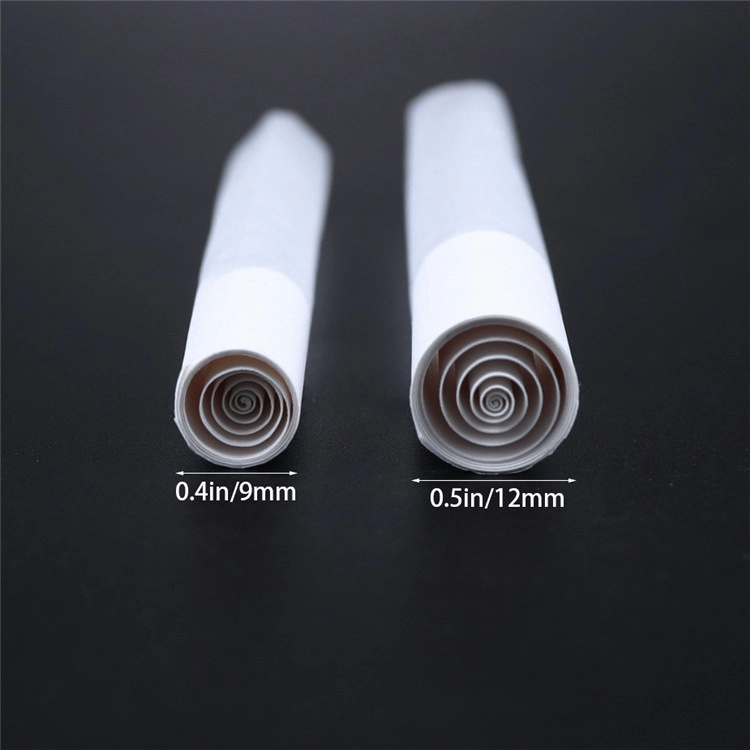
Each case contains 1,000 cones. This gives brand teams defined choices for geometry, paper and tip branding. Select dimensions first, then confirm paper, print position and case configuration on the physical sample.
The tip affects more than the look of the finished SKU. Its diameter and length influence tray fit, overall product length, mouthpiece protection and internal package clearance. Tip material also changes the handling plan. A paper tip and a ceramic tip should not move through sample approval under the same assumptions. Both require a drawing, a packed sample and a recorded trial result.
Paper tips provide a lightweight, printable component. Ceramic tips create a rigid mouthpiece that needs support during packing and transport. SILICLAB’s straight ceramic-tip hemp blunt cone combines a 9 mm white ceramic mouthpiece, stainless-steel mesh filter and brown 100% hemp wrap.
The mouthpiece includes a food-grade silicone dust plug. Each cone has a rigid black support tube and shrink-film seal. Boxes hold 100 cones in five layers of 20 with cardboard dividers. Custom box printing starts at 100 boxes. Buyers can test this defined format against their filling and retail requirements.
Place the exact tip and cone in the production tray. Check seating, support, removal and clearance, then inspect the packed unit for contact at the mouthpiece, closure and sidewalls.
For rigid tips, include transport in the approval plan. After the chosen shipping simulation, record tip damage, cone movement and divider displacement. Do not convert tip material or bore size into unsupported airflow, taste or performance language. Purchase approval rests on measurable fit and condition.
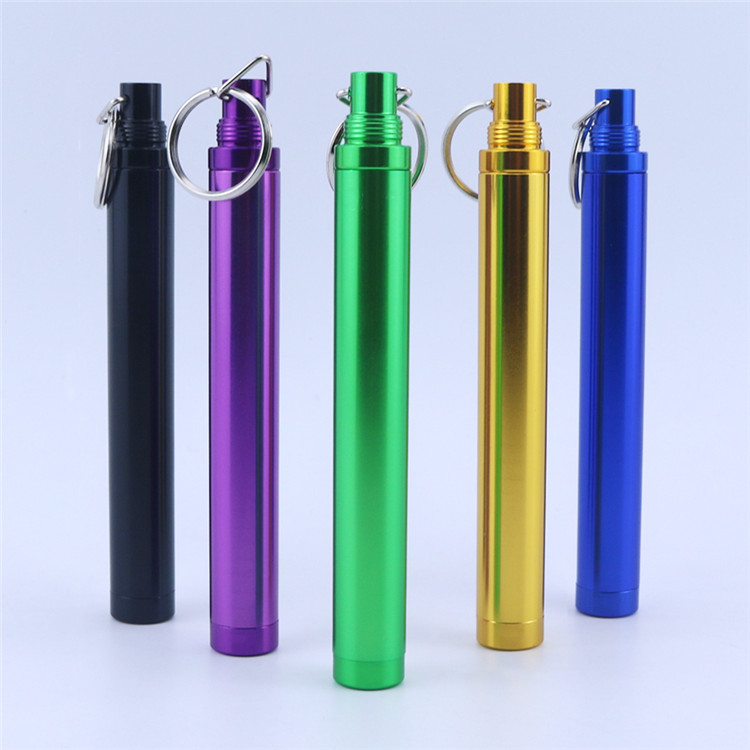
Pre-roll packaging must be developed around the approved cone rather than selected as a separate design item. Internal length, opening diameter, cap design and packing format all affect product fit and line handling. The same brief should also identify label space, logo method, color requirements and carton count. This approach gives packaging suppliers specific dimensions and gives the buyer a physical pack to approve.
The SILICLAB 125 mm conical plastic pre-roll tube has a 16.8 mm opening, food-grade polypropylene body and food-grade silicone cap. The stock clear tube with black cap has an MOQ of one piece, making initial fit checks practical.

Custom cap colors require 50,000 pieces; custom tube-body colors require 100,000. Logo options include printing and labels. Tubes ship in bulk cartons or individual clear poly bags. For a lower-volume launch, the stock tube provides a workable path before custom-color quantities fit the order plan.
Confirm clearance with the finished cone. After the selected transport test, inspect movement, mouthpiece contact, cap fit, print and carton marks. Record the approved tube, cap and packing method.
Artwork approval is a separate control. For logo customization, SILICLAB accepts AI vector files or high-resolution JPG artwork. For a brand-new custom product that requires new tooling, SILICLAB creates a 3D drawing and 3D sample for confirmation before mold opening, followed by a bulk sample before mass production. Keep separate records for the drawing, artwork and physical sample.
A drawing narrows the options, but only a production trial confirms whether the selected cone works in the buyer’s process. Run the exact cone, tip, material and closure method planned for the SKU. Use the same pack configuration intended for bulk production. This trial connects purchasing specifications to real line handling and produces an approval record that both buyer and supplier can follow.
Write the target fill, cone count, equipment, operator method and closure standard before the trial. State the inspection quantity and approval owner. A first glance is not an acceptance standard.
Record loading fit, cone damage, material fallout, closure and finished dimensions. Do not convert tray capacity into hourly output. Measure loading, filling, removal, closure, inspection and changeover under the buyer’s operating conditions.
Record the cone part number, drawing revision, tip, paper, target fill, equipment, pack and artwork version. Retain an approved sample. When one item changes, repeat the checks affected before the next order.
For custom pre-rolled cones, a branding revision can arrive with a dimensional or packaging change. A clear record prevents the new version from being treated as identical to the approved sample.
A complete RFQ reduces clarification rounds and makes quotations easier to compare. It should describe one finished product rather than request a catalog price. Not every decision must be final, but open items need clear labels. SILICLAB can then quote the configuration and prepare the correct sample route for the project without guessing at missing specifications or unresolved order details.
Attach drawings and artwork separately, and mark open points. State that infused pre-roll cone compatibility depends on the buyer’s material and equipment trial. Then contact SILICLAB for samples, project-specific MOQ confirmation and a configuration-based quotation.
Demand for infused pre-rolls creates room for differentiated cone, tip and packaging programs. A repeatable SKU requires exact dimensions, controlled samples and line testing. Define the finished format, approve every component against one brief, then release bulk production against the tested revision. This process gives brand buyers clearer quotations and cleaner supplier communication.
A: Include cone dimensions, paper, adhesive, tip size, target fill, equipment, pack count, artwork, quantities and destination. Mark every point that still needs sample approval.
A: No. Dimensions screen the options, but bulk approval requires a physical trial with the intended material, tray or machine, closure method and package.
A: Test internal clearance, cap fit, cone movement, mouthpiece contact, dividers, label area and carton configuration after the selected transport test.
A: SILICLAB offers custom cone dimensions, paper and tip options, logo decoration, boxes and storage tubes. MOQ varies by product and customization method, so each project requires a specification-based quotation.